



Super Mario Land vs New Super Mario Bros.
Side-by-side comparison of features, pricing, ratings, and alternatives.
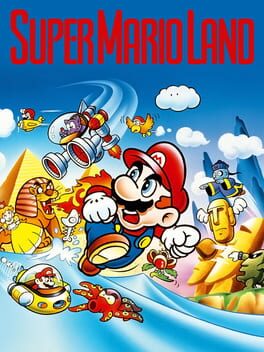
Super Mario Land takes the iconic plumber to the tropical kingdom of Sarasaland, where players must rescue Princess Daisy from the alien invader Tatanga. The game delivers classic platforming in a compact, portable format, featuring new power-ups and memorable level design. Despite its simple graphics, the title introduced fresh mechanics like the Mario Flyball and showcased Nintendo's ability to adapt the Mario formula to new hardware. It remains a beloved retro classic that continues to be enjoyed through modern re-releases.
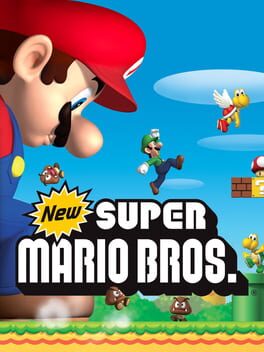
New Super Mario Bros. brings the beloved side‑scrolling Mario experience to a modern handheld, combining tight controls with vibrant 2D graphics. Players dash, jump, and collect coins across dozens of inventive worlds filled with secrets and challenges. The game supports both solo play and cooperative multiplayer, letting friends team up to tackle levels together while discovering hidden paths and power‑up combos. Its timeless design appeals to newcomers and longtime fans alike.
- Simple, intuitive controls suitable for all ages.
- Compact level design encourages quick play sessions.
- Introduces unique power-ups not seen in other Mario games.
- High replay value thanks to hidden secrets and speedrun potential.
- Tight, responsive controls that feel classic yet fresh.
- Rich variety of power‑ups and level designs.
- Engaging multiplayer modes for up to four players.
- High replay value with secret exits and collectibles.
- Limited graphical fidelity compared to later Mario titles.
- Short overall length; can be completed in a few hours.
- Lacks multiplayer or co‑op features.
- Limited online features; focus is on local play.
- Graphics, while charming, may feel dated compared to modern 3D titles.
- No built‑in level editor for user‑generated content.
More alternatives & similar tools
Alternatives to Super Mario Land
View all →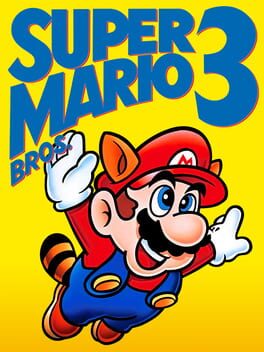
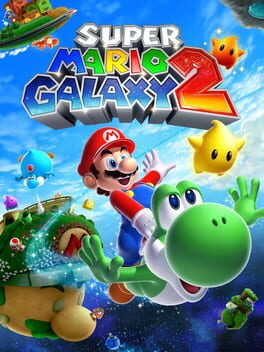
Alternatives to New Super Mario Bros.
View all →
The Verdict
AI-generated from listing dataSuper Mario Land offers a quick, nostalgic single‑player experience for kids and retro fans, while New Super Mario Bros. delivers deeper, multiplayer‑focused platforming with more content and modern polish.
Key differences
- •Content volume: 6 worlds (A) vs 80+ levels across 8 worlds (B).
- •Multiplayer: single‑player only (A) vs up to 4‑player local co‑op/competitive (B).
- •Release era & graphics: 1989 Game Boy (A) vs 2006 Wii (B) with higher fidelity.
- •Power‑up variety: one unique Flyball (A) vs many classic and new power‑ups (B).
- •Target age rating: PEGI 3 / ESRB E (A) vs PEGI 12 / ESRB E (B).
Gameplay & fun factor
B offers precise controls, diverse power‑ups, and 80+ levels, providing richer platforming fun.
Platform availability
A runs on original Game Boy hardware, making it portable and usable on legacy handhelds.
Price & value
A is a one‑time paid title from 1989 (no MSRP listed), likely cheaper than B’s $59.99 MSRP.
Multiplayer / co‑op
B supports up to four players locally in cooperative or competitive modes; A is single‑player only.
Content & replayability
B’s 80+ levels, secret exits, and collectibles outweigh A’s six worlds and limited hidden coins.
Difficulty & accessibility
A’s two‑button scheme and PEGI 3 rating make it more accessible for very young players.
Graphics & performance
B, released in 2006 for Wii, has far superior graphics and dynamic camera compared to A’s 1989 Game Boy visuals.
Choose Super Mario Land if…
Young children or retro collectors seeking a short, simple handheld Mario experience.
Choose New Super Mario Bros. if…
Families or platform‑gaming fans wanting extensive content, multiplayer fun, and modern controls.
Common questions
Which game offers better value for money?
Super Mario Land (A) likely costs less than New Super Mario Bros.’ $59.99 MSRP.
Can I play with friends?
Only New Super Mario Bros. (B) supports up to four players locally; Super Mario Land (A) is single‑player.
Is either game suitable for a 5‑year‑old?
Super Mario Land (A) has a PEGI 3 rating and two‑button controls, making it more appropriate for very young kids.