



Beyond Good & Evil vs Dishonored
Side-by-side comparison of features, pricing, ratings, and alternatives.
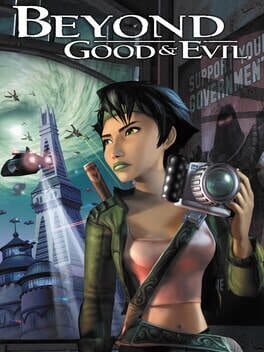
Beyond Good & Evil follows photojournalist Jade as she uncovers a sinister conspiracy on the planet Hillys. The game blends action, stealth, and puzzles in a richly detailed sci‑fi setting. Players capture evidence, battle hostile forces, and solve environmental challenges while uncovering a deep narrative about truth and resistance.
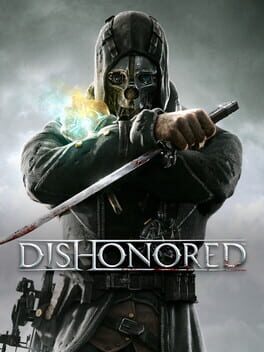
Set in the industrial city of Dunwall, Dishonored puts you in the shoes of Corvo Attano, a royal protector framed for murder. Use a blend of stealth, combat, and supernatural abilities to exact revenge and uncover conspiracies. The game rewards creative problem‑solving, letting you approach each mission with lethal precision or silent finesse, while your moral choices reshape the world around you.
- Engaging blend of genres
- Memorable characters and story
- Innovative photojournalism mechanic
- Atmospheric world design
- Rich, atmospheric world design
- Deep moral choice system
- Highly flexible gameplay approaches
- Engaging supernatural abilities
- Occasional clunky controls
- Limited checkpoint system
- Outdated graphics by modern standards
- Stealth can be challenging for beginners
- Limited multiplayer content (single‑player only)
- Some missions feel linear despite open design
More alternatives & similar tools
Alternatives to Beyond Good & Evil
View all →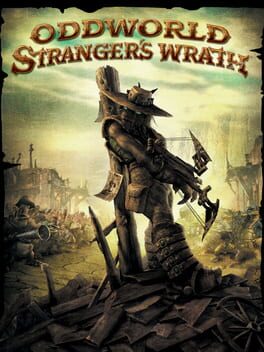
A bounty‑hunting adventure that blends shooting, platforming, and dark comedy in a wild sci‑fi world
Alternatives to Dishonored
View all →


The Verdict
AI-generated from listing dataBoth are single‑player, story‑driven stealth‑action games priced the same, but Beyond Good & Evil offers a unique photo mechanic and lighter rating, while Dishonored adds supernatural powers and deeper moral choices.
Key differences
- •Beyond Good & Evil uses third‑person shooting/photography; Dishonored is first‑person with supernatural abilities.
- •Dishonored’s narrative changes with each death or success; Beyond Good & Evil’s story is linear with photo‑triggered events.
- •Age rating: Beyond Good & Evil is ESRB T/PEGI 12, Dishonored is ESRB M/PEGI 18.
- •Graphics era: Beyond Good & Evil (2003) has outdated graphics; Dishonored (2012) is newer.
- •Control feel: Beyond Good & Evil noted occasional clunky controls; Dishonored’s stealth can be challenging for beginners.
Gameplay & fun factor
Dishonored adds supernatural powers and a deep moral choice system, expanding playstyle variety beyond Beyond's photo mechanic.
Platform availability
Both are single‑player titles; platform specifics not provided, so they are considered equal.
Price & value
Both cost $39.99 one‑time, offering comparable monetary value.
Multiplayer / co-op
Both are single‑player only; no multiplayer content.
Content & replayability
Dishonored’s dynamic mission outcomes and multiple moral paths give higher replay potential than Beyond's linear story.
Difficulty & accessibility
Beyond Good & Evil has a lower age rating (T/12) and less demanding stealth, making it more accessible to younger players.
Graphics & performance
Dishonored (2012) has newer graphics than Beyond Good & Evil (2003), which is noted as outdated.
Choose Beyond Good & Evil if…
You prefer a lighter‑rated, third‑person adventure with unique photo mechanics and simpler stealth.
Choose Dishonored if…
You want deeper moral choices, supernatural abilities, and higher replay value in a first‑person stealth game.
Common questions
Is there any multiplayer in either game?
Both are single‑player only; no multiplayer or co‑op modes.
Which game is more suitable for younger players?
Beyond Good & Evil has an ESRB T/PEGI 12 rating, while Dishonored is ESRB M/PEGI 18.
Do the games differ in price?
Both are priced at $39.99 as a one‑time purchase.