



Burnout Paradise vs Fuel
Side-by-side comparison of features, pricing, ratings, and alternatives.
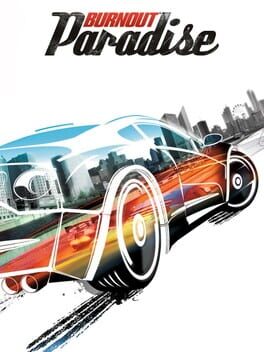
Burnout Paradise drops you into the sprawling city of Paradise, where you can race, stunt, and cause spectacular crashes at any time. The game blends arcade‑style speed with a sandbox environment, letting players explore freely and create their own challenges. With both single‑player and robust multiplayer modes, Paradise offers a variety of events, from classic races to massive online competitions, all backed by Criterion's signature high‑energy gameplay and stunning visuals.
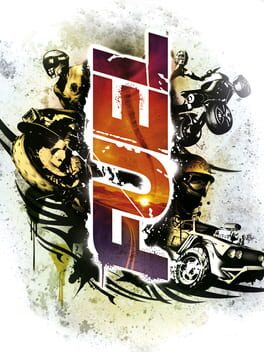
Fuel drops players into a sprawling, post‑apocalyptic desert where they can race, explore, and discover hidden secrets. The game blends arcade‑style racing with an expansive open world, offering both single‑player challenges and competitive multiplayer modes. With dynamic weather, day‑night cycles, and a variety of vehicles, Fuel encourages players to chart their own routes across a 14,400 km map, making every race a unique adventure.
- Massive, free‑roam city
- Thrilling crash physics
- Strong multiplayer community
- Wide variety of vehicles
- Huge, uninterrupted open world to explore
- Varied vehicle roster with customization options
- Dynamic weather and lighting add depth to races
- Strong multiplayer component with leaderboards
- Dated graphics by modern standards
- Occasional online matchmaking lag
- Limited post‑launch content updates
- Occasional frame‑rate drops on older hardware
- AI opponents can be inconsistent in skill
- Story mode is relatively lightweight
More alternatives & similar tools
Alternatives to Burnout Paradise
View all →

Alternatives to Fuel
View all →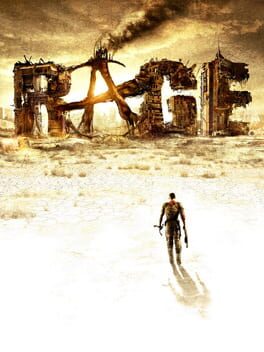

The Verdict
AI-generated from listing dataBurnout Paradise offers better overall value with a lower price and higher critic score, while Fuel delivers a larger, weather‑dynamic desert world at a premium cost.
Key differences
- •Map type: Fuel’s 14,400 km desert vs Burnout’s free‑roam city.
- •Vehicle roster: Fuel offers a mixed set of trucks and sports cars; Burnout provides over 100 licensed/fictional cars.
- •Unique modes: Burnout includes Crash mode and stunt challenges; Fuel focuses on weather‑affected races and leaderboards.
- •Price: Fuel $59.99 vs Burnout $19.99.
- •Critical reception: Fuel 76/100 vs Burnout 93/100.
Gameplay & fun factor
Burnout adds crash physics, stunt challenges and a larger vehicle pool, increasing variety and excitement.
Platform availability
No platform information provided for either title, so they are effectively equal.
Price & value
Burnout costs $19.99 versus Fuel’s $59.99, delivering more content per dollar.
Multiplayer / co‑op
Both support single‑player and online races for up to 12 players.
Content & replayability
Fuel’s 14,400 km seamless desert, dynamic weather, day‑night cycle and leaderboards give deeper long‑term replay.
Difficulty & accessibility
No specific difficulty data; Fuel’s AI is noted as inconsistent, but no comparable info for Burnout.
Graphics & performance
Burnout shows no reported performance issues; Fuel can suffer frame‑rate drops on older hardware.
Choose Burnout Paradise if…
Players who want a cheaper, high‑energy racing game with crash physics and many unlockable cars.
Choose Fuel if…
Players who prioritize a massive, weather‑dynamic open desert and are willing to pay a premium.
Common questions
Which game is cheaper?
Burnout Paradise costs $19.99; Fuel costs $59.99.
Do both support multiplayer races?
Yes, each offers online multiplayer for up to 12 players.
Which title has a higher critic rating?
Burnout Paradise has a critic score of 93/100, compared to Fuel’s 76/100.