



Emperor: Battle for Dune vs Dune 2000
Side-by-side comparison of features, pricing, ratings, and alternatives.
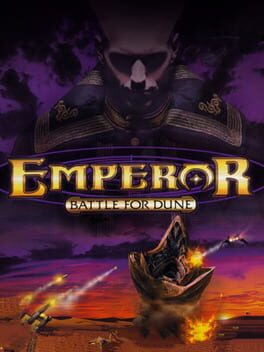
Emperor: Battle for Dune drops players into the iconic Dune universe, letting them lead one of three noble houses in a real‑time strategy battle for control of Arrakis. With a blend of base building, resource management, and tactical combat, the game captures the political intrigue and massive warfare of Frank Herbert’s world. The title offers both a robust single‑player campaign and competitive multiplayer modes, featuring diverse unit types, desert terrain challenges, and the iconic sandworms that can turn the tide of battle. Its sci‑fi setting and strategic depth make it a memorable entry in early‑2000s RTS gaming.
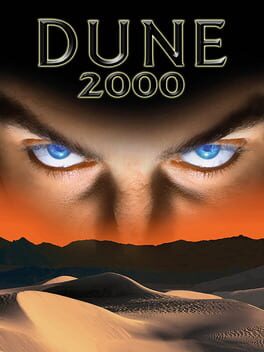
Dune 2000 brings the epic conflict of Arrakis to the PC, letting players command the noble Atreides, ruthless Harkonnen, or mysterious Ordos in fast‑paced, base‑building battles. With updated graphics and refined mechanics, the game modernizes the beloved 1992 original while preserving its strategic depth.
- Deep house-specific strategies
- Engaging Dune atmosphere
- Robust multiplayer options
- Varied unit roster
- Deep strategic gameplay
- Three distinct, balanced factions
- Robust multiplayer options
- Iconic Dune setting
- Outdated graphics by modern standards
- Steep learning curve for newcomers
- Limited AI difficulty scaling
- Outdated graphics by modern standards
- Limited unit variety compared to newer RTS titles
- Steep learning curve for newcomers
More alternatives & similar tools
Alternatives to Emperor: Battle for Dune
View all →

Alternatives to Dune 2000
View all →
Epic fantasy RTS expansion with new heroes, races, and endless multiplayer battles.
The Verdict
AI-generated from listing dataDune 2000 offers the same classic Dune RTS experience at a lower price, making it the safer default; choose Emperor if you need larger multiplayer matches and a deeper tech tree.
Key differences
- •Price: Dune 2000 costs $29.99, Emperor costs $49.99.
- •Multiplayer capacity: Emperor supports up to 8 players, Dune 2000’s max player count not specified.
- •Tech depth: Emperor includes a tech tree for upgrades, Dune 2000 does not mention one.
- •Unit variety: Emperor lists a varied unit roster, Dune 2000 notes limited unit variety.
- •Release date: Dune 2000 (1998) is older than Emperor (2001).
Gameplay & fun factor
Both deliver classic Dune RTS mechanics with fog‑of‑war, resource management, and faction‑specific units.
Platform availability
Both are PC‑only titles; no other platforms are listed.
Price & value
Dune 2000 costs $29.99 versus Emperor’s $49.99, offering the same core experience for less money.
Multiplayer / co‑op
Emperor explicitly supports up to eight players; Dune 2000’s multiplayer capacity is not specified.
Content & replayability
Emperor adds a tech tree and a larger unit roster, extending strategic options beyond Dune 2000.
Difficulty & accessibility
Both have steep learning curves, but Dune 2000’s AI is described as improved and adaptive, whereas Emperor’s AI scaling is limited.
Graphics & performance
Both are noted as having outdated graphics by modern standards.
Choose Emperor: Battle for Dune if…
Players who prioritize larger multiplayer games and deeper tech/upgrade systems.
Choose Dune 2000 if…
Budget‑conscious players who want classic Dune RTS with balanced factions and solid AI.
Common questions
Which game is cheaper?
Dune 2000 costs $29.99; Emperor costs $49.99.
How many players can I host in multiplayer?
Emperor supports up to eight players; Dune 2000’s multiplayer player limit is not specified.
Does either game have a tech tree for upgrades?
Emperor includes a tech tree; Dune 2000 does not mention one.