



Fire Emblem vs Fire Emblem Gaiden
Side-by-side comparison of features, pricing, ratings, and alternatives.
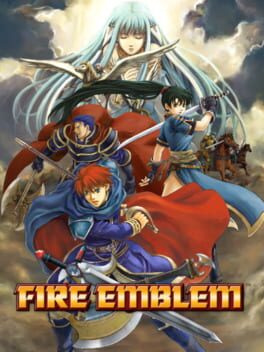
Fire Emblem is a critically acclaimed tactical role-playing game developed by Intelligent Systems and published by Nintendo. Set in a rich fantasy world, players command various units across grid-based battlefields, making strategic decisions that impact the fate of their army. Featuring deep character development and permanent death for fallen units, every tactical choice carries heavy weight. Experience a gripping tale of political intrigue, warfare, and heroism as you guide your forces to ultimate victory.
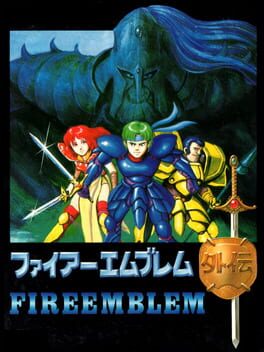
Fire Emblem Gaiden is the second entry in the legendary Fire Emblem series, introducing two protagonists, twin kingdoms, and a deep class system. Set in a fantasy world of war and magic, players command units on grid‑based battlefields, making strategic decisions that affect the story's outcome. The game blends turn‑based strategy with role‑playing elements, offering character growth, weapon durability, and a branching narrative. Its legacy includes many mechanics that define modern tactical RPGs.
- Engaging and deep tactical combat
- Memorable cast of characters
- Challenging permanent death mechanic
- Rich, story-driven campaign
- Deep class and promotion system
- Engaging dual‑storyline structure
- Challenging permadeath mechanics
- Rich tactical depth on a simple grid
- High difficulty spike for newcomers
- Permadeath can frustrate players who lose favorite units
- Lacks modern multiplayer features
- Outdated graphics by modern standards
- Steep learning curve for newcomers
- Limited accessibility options
More alternatives & similar tools
Alternatives to Fire Emblem
View all →
Classic turn‑based tactical RPG that launched a legendary series
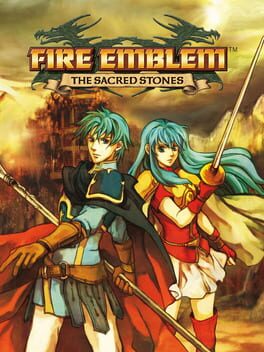
Lead young royals through tactical battles in a war-torn continent.
Alternatives to Fire Emblem Gaiden
View all →Classic turn‑based tactical RPG that launched a legendary series
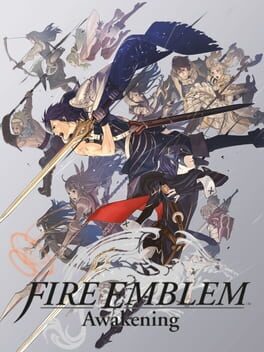
Command the Shepherds and alter the threads of fate in this acclaimed tactical RPG.
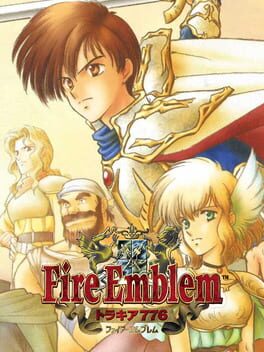
A brutal and deeply tactical strategy RPG set in the continent of Jugdral.
The Verdict
AI-generated from listing dataFire Emblem (B) offers more polished, modern experience with higher critic scores and richer story, but costs more than the classic Fire Emblem Gaiden (A).
Key differences
- •Release era: Gaiden (1992) has 8‑bit graphics; Fire Emblem (2003) features later‑generation visuals.
- •Price: Gaiden $19.99 vs Fire Emblem $34.99.
- •Critical reception: Fire Emblem has a documented 90/100 critic score; Gaiden has no listed score.
- •Narrative depth: Fire Emblem emphasizes political warfare and royal lineage, while Gaiden focuses on dual‑army intertwining stories.
- •Accessibility: Gaiden notes limited accessibility options; Fire Emblem’s difficulty spike is noted but no specific accessibility features.
Gameplay & fun factor
Fire Emblem (B) adds weapon triangle, diverse roster, and political narrative, enhancing tactical variety.
Platform availability
Both are single‑player titles released for Nintendo platforms; no platform differences specified.
Price & value
Gaiden costs $19.99, $15 less than Fire Emblem’s $34.99, offering lower entry cost.
Multiplayer / co-op
Both are single‑player only; no multiplayer features for either.
Content & replayability
Gaiden’s dual‑storyline, branching endings, hidden items, and secret maps boost replay value.
Difficulty & accessibility
Gaiden’s steep learning curve and limited accessibility are noted, but Fire Emblem’s high difficulty spike also challenges newcomers.
Graphics & performance
Fire Emblem (2003) is newer than Gaiden’s 8‑bit graphics, implying improved visual fidelity.
Choose Fire Emblem if…
Buyers seeking modern graphics, higher critical acclaim, and richer tactical systems.
Choose Fire Emblem Gaiden if…
Buyers who prioritize low cost, retro aesthetics, and deep replay through dual narratives.
Common questions
Is the higher price of Fire Emblem justified?
Fire Emblem (B) costs $34.99 and has a 90/100 critic score, indicating higher perceived value.
Which game has better replayability?
Gaiden (A) offers dual storylines, branching endings, hidden items, and secret maps, enhancing replay.
Do either of the games support multiplayer?
Both titles are single‑player only; no multiplayer features are listed.