



Front Mission Alternative vs Ground Control
Side-by-side comparison of features, pricing, ratings, and alternatives.
Front Mission Alternative is a real-time strategy spin-off set in the rich science fiction universe of the Front Mission series. Developed by Square and released in 1997, the game shifts the franchise's traditional turn-based combat into a frantic, real-time environment where players command units of giant mechs known as Wanzers across various war-torn theaters. Players must strategically deploy and maneuver their squads to outmaneuver enemy forces, managing movement paths and engagement zones on dynamic battlefield maps. As part of the PlayStation classic library accessible on PlayStation 3, it offers a distinct tactical experience that expands on the lore and military conflicts of the overarching series.
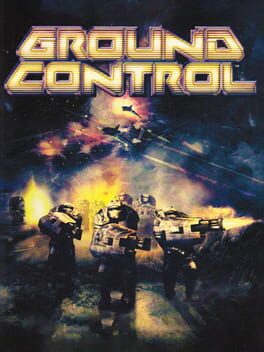
Ground Control drops players into a sci‑fi battlefield where you direct elite squads using point‑and‑click orders. The game blends real‑time strategy with tactical depth, offering both a compelling single‑player campaign and competitive multiplayer skirmishes. Set in a richly detailed future warzone, the title features destructible environments, dynamic AI, and a variety of unit types that require careful positioning and timing to dominate the field.
- Engaging real-time tactical gameplay
- Deep Wanzer customization options
- Expands the Front Mission lore
- Challenging strategic scenarios
- Deep tactical control
- Destructible environments add strategic depth
- Strong single‑player narrative
- Robust multiplayer modes
- Steep learning curve for newcomers
- Dated 32-bit graphical presentation
- Camera controls can feel rigid
- Steep learning curve for new RTS players
- Graphics dated by modern standards
- Limited unit variety compared to later titles
More alternatives & similar tools
Alternatives to Front Mission Alternative
View all →
Alternatives to Ground Control
View all →
The Verdict
AI-generated from listing dataGround Control offers multiplayer and destructible terrain for broader replay, while Front Mission Alternative delivers deeper mech customization and Front Mission lore but is single‑player only.
Key differences
- •Multiplayer: Ground Control supports up to 8 players; Front Mission Alternative is single‑player only.
- •Customization depth: Front Mission Alternative lets you swap weapons, armor, and computer systems on each Wanzer.
- •Environmental interaction: Ground Control features a physics engine with real‑time terrain destruction; Front Mission Alternative has static battlefields.
- •Narrative focus: Front Mission Alternative expands the Front Mission universe; Ground Control provides a narrative‑driven single‑player campaign.
Gameplay & fun factor
Ground Control’s point‑and‑click control plus destructible terrain creates varied tactical scenarios.
Platform availability
No platform information provided for either title.
Price & value
Front Mission Alternative price not specified; Ground Control MSRP is $49.99.
Multiplayer / co‑op
Ground Control supports up to eight players; Front Mission Alternative is single‑player only.
Content & replayability
Ground Control adds multiplayer and dynamic AI, extending replay beyond the single‑player missions of A.
Difficulty & accessibility
Both games note a steep learning curve for newcomers.
Graphics & performance
Front Mission Alternative uses 32‑bit graphics; Ground Control’s graphics are also dated but no specific tech level given.
Choose Front Mission Alternative if…
Mech enthusiasts who want deep customization and Front Mission story, and are fine with single‑player only.
Choose Ground Control if…
Players seeking multiplayer battles, destructible environments, and a broader tactical RTS experience.
Common questions
Does either game support multiplayer?
Ground Control supports up to eight players; Front Mission Alternative is single‑player only.
Which title offers more unit customization?
Front Mission Alternative provides extensive Wanzer customization (weapons, armor, internal systems).
How modern are the graphics?
Front Mission Alternative uses dated 32‑bit graphics; Ground Control’s graphics are also dated by modern standards.