



Indigo Prophecy vs Alan Wake
Side-by-side comparison of features, pricing, ratings, and alternatives.


Indigo Prophecy is a groundbreaking action-adventure thriller that puts players at the center of an interactive, branching narrative. When ordinary man Lucas Kane inexplicably murders a stranger in a diner restroom under a strange trance, he must evade both the law and supernatural forces while piecing together the terrifying truth behind his actions. Developed by Quantic Dream, the game pioneered cinematic storytelling mechanics, introducing ethical choices, branching dialogue trees, and intense quick-time events. Players alternate between controlling Lucas and the detectives hunting him, experiencing a mature supernatural mystery where every decision shapes the unfolding psychological drama.
Alan Wake follows the eponymous writer as he searches for his missing wife in the mysterious town of Bright Falls, confronting nightmarish forces that turn reality into a dark, episodic nightmare. The game blends cinematic storytelling with intense action, using light as both a weapon and a narrative device. The experience is a single‑player adventure that mixes shooter mechanics with puzzle‑solving and survival horror, delivering a tense atmosphere that keeps players on edge from start to finish.
- Compelling, cinematic thriller plot
- Innovative dual-perspective storytelling
- Meaningful choices that impact events
- Atmospheric soundtrack and voice acting
- Compelling, cinematic story
- Innovative use of light as a gameplay mechanic
- Strong atmospheric design
- Well‑crafted single‑player experience
- Gameplay mechanics feel dated compared to later Quantic Dream titles
- The second half of the story shifts into heavy supernatural action
- Quick-time events can occasionally be frustratingly difficult
- Linear progression limits replayability
- Occasional pacing issues in later chapters
- Graphics are dated compared to modern titles
More alternatives & similar tools
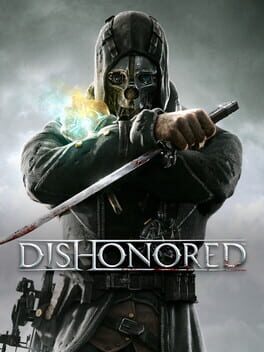
Alternatives to Indigo Prophecy
View all →

Alternatives to Alan Wake
View all →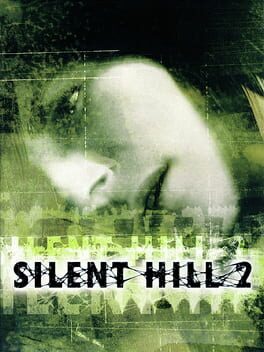
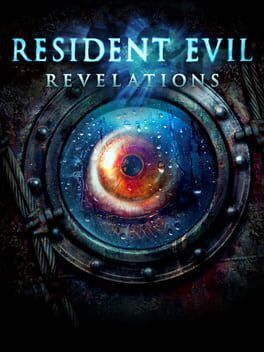
Survive a terrifying cruise in the first episodic Resident Evil adventure.


The Verdict
AI-generated from listing dataAlan Wake offers a richer, more atmospheric single‑player thriller with innovative light mechanics, while Indigo Prophecy is cheaper but focuses on dual‑character choices and older gameplay.
Key differences
- •Core mechanic: Alan Wake uses light‑based combat vs. Indigo Prophecy relies on quick‑time events and dialogue choices.
- •Narrative structure: Alan Wake is episodic with TV‑style cliffhangers; Indigo Prophecy follows a dual‑perspective story that shifts to supernatural action mid‑game.
- •Price: Alan Wake costs $39.99; Indigo Prophecy costs $9.99.
- •Release era and graphics: Alan Wake (2010) has newer graphics than Indigo Prophecy (2005), though both are dated by modern standards.
- •Replayability: Alan Wake’s linear story limits replay, while Indigo Prophecy’s choice‑driven branches offer more variation.
Gameplay & fun factor
Alan Wake’s light‑based combat and environmental puzzles provide more varied interaction than Indigo Prophecy’s primarily QTE‑driven sequences.
Platform availability
Both are single‑player titles; specific platform lists are not provided, so availability cannot be distinguished.
Price & value
Indigo Prophecy costs $9.99 versus Alan Wake’s $39.99, offering lower upfront cost.
Multiplayer / co-op
Both are single‑player only.
Content & replayability
Indigo Prophecy’s branching choices give more replay potential than Alan Wake’s linear progression.
Difficulty & accessibility
Alan Wake’s combat relies on light and firearms, generally less timing‑intensive than Indigo Prophecy’s difficult QTEs.
Graphics & performance
Alan Wake (2010) has newer graphics than Indigo Prophecy (2005), though both are dated.
Choose Indigo Prophecy if…
Budget‑conscious players who want branching narrative choices and don’t mind older QTE gameplay.
Choose Alan Wake if…
Story‑driven gamers who value cinematic atmosphere and innovative light mechanics.
Common questions
Which game is cheaper?
Indigo Prophecy costs $9.99; Alan Wake costs $39.99.
Do either of these support multiplayer?
Both are single‑player only.
Which title has more replay value?
Indigo Prophecy offers more replayability through its choice‑driven branches, while Alan Wake is largely linear.