



LocoRoco Cocoreccho vs LocoRoco
Side-by-side comparison of features, pricing, ratings, and alternatives.
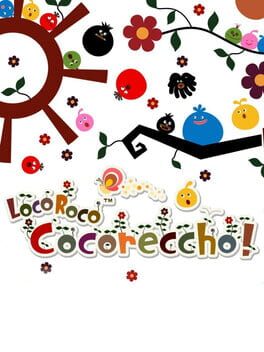
LocoRoco Cocoreccho is a charming platform puzzle game developed by SCE Japan Studio and published by Sony Computer Entertainment for the PlayStation 3. Players control the butterflykululu, guiding a growing group of bouncy LocoRoco through whimsical environments using music, environmental interactions, and directional cues. Originally released via the PlayStation Network in September 2007, the game adapts the classic PSP franchise mechanics into a unique interactive screensaver style. Players must wake sleeping LocoRoco, collect friends, and navigate tricky obstacles while enjoying the signature cheerful art style and memorable humming soundtrack.
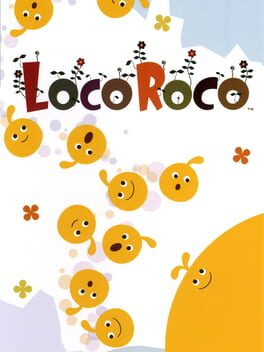
LocoRoco is a charming and whimsical platforming puzzle game where players manipulate the environment rather than directly controlling the characters. By tilting the world using the shoulder buttons, players guide the bouncy, gelatinous LocoRoco through colorful stages while collecting friends, eating berries to grow larger, and avoiding pesky Moja enemies. The game is renowned for its delightful, ever-evolving soundtrack that reacts dynamically to the player's actions, creating a joyful audio-visual experience. With its unique physics-based gameplay, humorous aesthetic, and lighthearted comedy, it delivers a uniquely uplifting adventure for players of all ages.
- Infectiously cheerful art style and music
- Unique cursor-based control mechanics
- Charming and relaxing atmosphere
- Engaging hidden collectibles to find
- Extremely charming and joyful art style
- Infectious, dynamically reactive soundtrack
- Intuitive and accessible tilt-based controls
- High replay value for finding all collectibles
- Shorter overall length compared to main series entries
- Passive gameplay style may not suit traditional platformer fans
- Limited to a single platform and player mode
- Single player only with no multiplayer modes
- Can occasionally feel repetitive during longer play sessions
- Limited direct control over the main characters
More alternatives & similar tools
Alternatives to LocoRoco Cocoreccho
View all →
Alternatives to LocoRoco
View all →Guide adorable bouncy creatures safely through vibrant levels using music and cursor magic.
The Verdict
AI-generated from listing dataLocoRoco offers richer content, higher critical acclaim, and more value for its price, while Cocoreccho is a cheaper, shorter, and more niche experience.
Key differences
- •Content length: Cocoreccho is shorter than the full LocoRoco game.
- •Control scheme: LocoRoco uses tilt controls; Cocoreccho uses cursor/music‑based control.
- •Critical reception: LocoRoco scored 91/100 versus Cocoreccho's 75/100.
- •Price: LocoRoco costs $14.99, Cocoreccho $9.99.
Gameplay & fun factor
LocoRoco combines tilt navigation, splitting/merging, and dynamic music, offering more varied mechanics than Cocoreccho's cursor‑only system.
Platform availability
Both are single‑player titles released for the same platform (implied by same developer/publisher).
Price & value
Cocoreccho is $5 cheaper, though LocoRoco provides more content for the higher price.
Multiplayer / co‑op
Both are single‑player only.
Content & replayability
LocoRoco offers hidden secrets, multiple worlds, and higher replay value; Cocoreccho is shorter with fewer collectibles.
Difficulty & accessibility
Cocoreccho's cursor‑based, passive gameplay is generally easier for casual players than LocoRoco's tilt‑based precision.
Graphics & performance
LocoRoco features distinct hand‑drawn worlds and a broader visual variety versus Cocoreccho's similar style.
Choose LocoRoco Cocoreccho if…
Budget‑conscious casual gamers who prefer a short, easy, cursor‑driven adventure.
Choose LocoRoco if…
Players who want a fuller platform‑puzzle experience with high critical praise and more content.
Common questions
Is the higher price of LocoRoco justified?
Yes; it includes more levels, hidden secrets, and a higher critic score (91 vs. 75).
Which game is easier for beginners?
Cocoreccho, because its cursor‑based control is less demanding than LocoRoco's tilt mechanics.
Do either of these support multiplayer?
No; both are single‑player only.