



Metro: Last Light vs Dishonored
Side-by-side comparison of features, pricing, ratings, and alternatives.
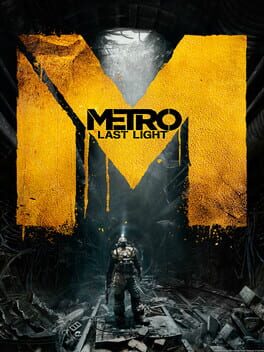
Set in the tunnels of the Moscow Metro after nuclear war, Metro: Last Light thrusts players into a dark, atmospheric world where every decision matters. As Artyom, you navigate hostile mutants, rival factions, and scarce resources while uncovering a deep narrative about humanity’s future. The game combines tense first‑person combat with stealth, resource management, and a richly detailed environment that reacts to light and sound, delivering a haunting experience that rewards careful planning and quick reflexes.
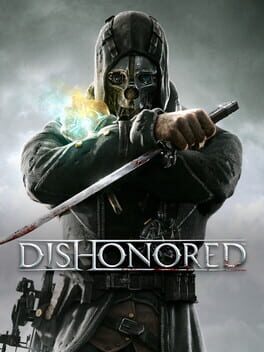
Set in the industrial city of Dunwall, Dishonored puts you in the shoes of Corvo Attano, a royal protector framed for murder. Use a blend of stealth, combat, and supernatural abilities to exact revenge and uncover conspiracies. The game rewards creative problem‑solving, letting you approach each mission with lethal precision or silent finesse, while your moral choices reshape the world around you.
- Atmospheric world building
- Engaging narrative with meaningful choices
- Tight gunplay and stealth options
- High production values and sound design
- Rich, atmospheric world design
- Deep moral choice system
- Highly flexible gameplay approaches
- Engaging supernatural abilities
- Occasional performance issues on older PCs
- Linear level design can feel restrictive
- Limited replayability after story completion
- Stealth can be challenging for beginners
- Limited multiplayer content (single‑player only)
- Some missions feel linear despite open design
More alternatives & similar tools
Alternatives to Metro: Last Light
View all →
Explore a haunting, open‑world Chernobyl zone filled with danger and mystery.
Alternatives to Dishonored
View all →



The Verdict
AI-generated from listing dataDishonored offers better value and flexible gameplay for most buyers, while Metro: Last Light appeals to those who prioritize a shooter‑centric, lighting‑driven narrative experience.
Key differences
- •Metro uses dynamic lighting to affect enemy behavior; Dishonored relies on supernatural abilities for traversal and combat.
- •Narrative impact: Metro's story choices affect faction relationships; Dishonored's moral choices alter city state and visual tone.
- •Stealth approach: Metro emphasizes sound‑based detection and shadows; Dishonored provides a broader stealth toolkit with powers and distractions.
- •Price: Metro costs $59.99 vs Dishonored at $39.99.
- •Critical reception: Metro scored 80/100, Dishonored 85/100, indicating slightly stronger reviews for Dishonored.
Gameplay & fun factor
Dishonored’s multiple powers and open level design give more varied playstyles than Metro’s shooter‑focused mechanics.
Platform availability
Not specified for either title.
Price & value
Dishonored is $20 cheaper and offers broader gameplay options, delivering higher value per dollar.
Multiplayer / co‑op
Both are single‑player only.
Content & replayability
Dishonored’s moral choices and multiple pathways increase replay potential versus Metro’s limited post‑story replay.
Difficulty & accessibility
Metro’s straightforward shooter/stealth may be easier for beginners than Dishonored’s complex powers and challenging stealth.
Graphics & performance
Metro boasts high production values and dynamic lighting, though it has occasional performance issues on older PCs.
Choose Metro: Last Light if…
Fans of gritty, shooter‑centric post‑apocalyptic games who value lighting‑driven stealth and narrative depth.
Choose Dishonored if…
Players seeking flexible stealth, supernatural abilities, lower price, and higher replay value.
Common questions
Which game is cheaper?
Dishonored costs $39.99, while Metro: Last Light costs $59.99.
Which title offers more replayability?
Dishonored’s moral choices and multiple pathways give higher replay potential than Metro’s limited post‑story content.
Is either game more beginner‑friendly?
Metro’s straightforward shooter and stealth mechanics are generally easier for newcomers than Dishonored’s complex powers.