



Microsoft Flight Simulator 2000 vs Microsoft Flight Simulator X
Side-by-side comparison of features, pricing, ratings, and alternatives.
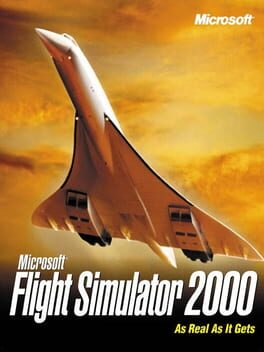
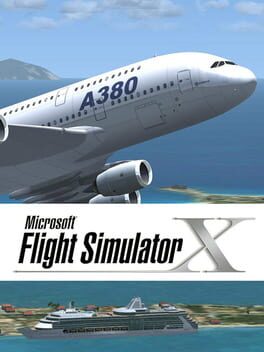
Microsoft Flight Simulator 2000 brings the globe to your desktop with detailed terrain, realistic flight dynamics, and a vast selection of aircraft. Built by ACES Game Studio, it offers both solo and multiplayer flying, letting you explore airports worldwide or share the skies with friends.
Microsoft Flight Simulator X delivers an immersive aviation experience, letting players pilot a wide range of aircraft across a meticulously recreated globe. With realistic weather, detailed airports, and a robust mission system, both casual flyers and serious enthusiasts can explore the skies like never before. The game supports both single‑player and multiplayer modes, offering cooperative flights and competitive challenges. Its comprehensive training modules and extensive customization options make it a benchmark for flight simulation on PC.
- Extensive global scenery for its time
- Realistic flight dynamics
- Multiplayer capability
- Wide variety of aircraft
- Extensive global coverage with thousands of airports
- Highly realistic weather and lighting effects
- Robust multiplayer and community content
- Deep training modules for all skill levels
- High system requirements for 1999 hardware
- Limited graphics compared to modern sims
- Steep learning curve for beginners
- High system requirements for optimal performance
- Steep learning curve for newcomers
- Limited aircraft variety compared to newer simulators
More alternatives & similar tools
Alternatives to Microsoft Flight Simulator 2000
View all →
Fly the world with unparalleled realism on your PC
Fly the skies of a century of aviation history in stunning realism.
Experience the world from the cockpit with stunning realism and global flight missions
Alternatives to Microsoft Flight Simulator X
View all →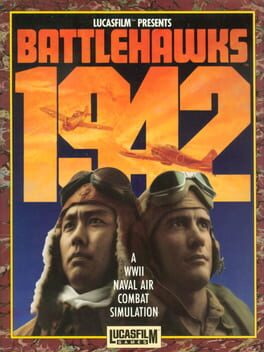
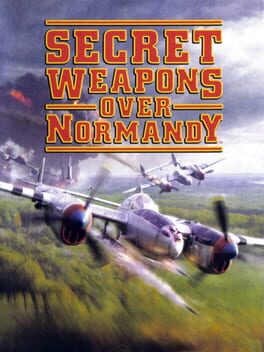
Fly historic WWII planes in intense dogfights and strategic missions.
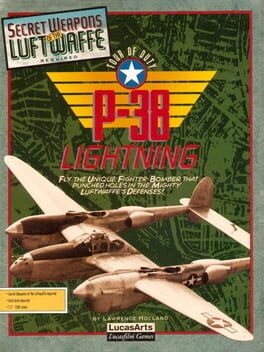
Fly the skies of a century of aviation history in stunning realism.
The Verdict
AI-generated from listing dataBoth are solid flight sims, but Flight Simulator X (B) offers better weather, training tools, and graphics at a modest price premium, while the 2000 version (A) is cheaper but older and less polished.
Key differences
- •Airport count: A has >30,000 airports vs B's >20,000.
- •Weather engine: B’s sophisticated real‑time global weather vs A’s dynamic but older system.
- •Training suite: B includes a dedicated flight‑training module; A does not.
- •Graphics & terrain: B uses high‑resolution satellite imagery and procedural terrain; A’s 1999 graphics are limited.
- •Price: A costs $49.99, B costs $59.99.
Gameplay & fun factor
B adds a training suite and mission editor, giving more varied activities beyond basic flying.
Platform availability
Both are PC‑only Windows titles; no difference in platform.
Price & value
A is $10 cheaper ($49.99 vs $59.99) while offering comparable core flight experience.
Multiplayer / co‑op
Both support up to 16 pilots in shared airspace; multiplayer capabilities are equivalent.
Content & replayability
A lists >30,000 airports versus B’s >20,000, providing broader global coverage.
Difficulty & accessibility
Both have steep learning curves for newcomers; no data shows one is easier.
Graphics & performance
B features high‑resolution satellite imagery and procedural terrain, delivering markedly better visuals than A’s 1999 graphics.
Choose Microsoft Flight Simulator 2000 if…
Budget‑conscious players who want the widest airport coverage and can accept older graphics.
Choose Microsoft Flight Simulator X if…
Players seeking modern weather, training tools, and superior visuals, willing to pay a bit more.
Common questions
Is the price difference significant for the added features?
A costs $49.99; B costs $59.99, a $10 difference for B’s advanced weather, training suite, and better graphics.
Which version has more airports to explore?
A lists over 30,000 real‑world airports; B lists over 20,000.
Do both support multiplayer with the same number of players?
Yes, both allow up to 16 pilots in shared airspace.