



Musashi: Samurai Legend vs Tales of Symphonia
Side-by-side comparison of features, pricing, ratings, and alternatives.
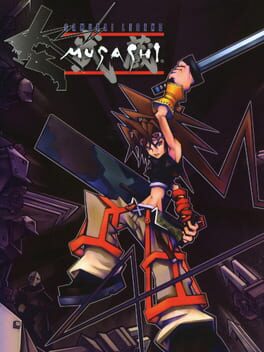
Musashi: Samurai Legend marks the second chapter in the Musashi series, putting players in the role of a young swordsman summoned to rescue a kidnapped princess. Journey through a challenging world where various enemies stand in your way, requiring quick reflexes and tactical combat prowess to survive. The game immerses players in a unique comic book-style adventure by seamlessly combining Japanese animation with dialogue balloons. Players must learn their opponents' techniques and turn those very attacks against them, utilizing special moves capable of striking multiple enemies at once.
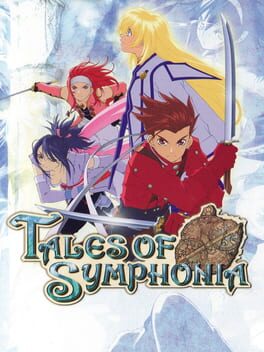
Tales of Symphonia invites players into a richly detailed fantasy world where they control a group of heroes on a quest to save their world. The game combines fast-paced, real‑time battle mechanics with deep character development and an engaging narrative. The title offers both single‑player and cooperative split‑screen modes, allowing friends to experience the journey together while exploring puzzles, exploration, and strategic combat.
- Unique comic book-style presentation with Japanese animation
- Innovative system for learning and using enemy techniques
- Engaging real-time action RPG combat
- Developed by Square Enix's experienced division
- Engaging real‑time combat
- Compelling story and characters
- Local co‑op split‑screen support
- Rich fantasy world with detailed art
- Difficulty can be quite high and punishing
- Limited to single-player gameplay only
- Visual style may not appeal to all players
- Linear level design limits exploration
- Some dialogue can feel dated
- Limited modern platform availability
More alternatives & similar tools
Alternatives to Musashi: Samurai Legend
View all →
A vibrant action‑RPG adventure that blends real‑time combat with a heartfelt story
Alternatives to Tales of Symphonia
View all →
A vibrant JRPG adventure blending real‑time combat with heartfelt storytelling
The Verdict
AI-generated from listing dataTales of Symphonia offers broader appeal with higher critic scores, local co‑op and a richer story, while Musashi: Samurai Legend delivers a unique comic‑book style and challenging solo combat.
Key differences
- •Musashi is single‑player only; Tales supports local split‑screen co‑op.
- •Combat in Musashi features learning enemy techniques; Tales focuses on combo timing and skill trees.
- •Tales has a higher critic score (89 vs 79) indicating stronger overall reception.
- •Musashi’s visual style is comic‑book anime; Tales uses a vibrant fantasy aesthetic.
- •Release dates differ (2005 vs 2003) but both price at $39.99.
Gameplay & fun factor
Tales combines four‑character combos, skill trees and puzzles, offering broader fun than Musashi’s single‑character system.
Platform availability
No platform details are provided for either title.
Pricing & value
Both games cost $39.99, offering equal price point.
Multiplayer / co‑op
Tales includes local split‑screen co‑op; Musashi is single‑player only.
Content & replayability
Tales offers four playable characters, skill trees and puzzles, increasing replay value over Musashi’s solo run.
Difficulty & accessibility
Musashi is noted as “quite high and punishing,” whereas Tales has no such difficulty warning.
Graphics & performance
Both feature distinct art styles (comic‑book anime vs vibrant fantasy) with no performance data.
Choose Musashi: Samurai Legend if…
Solo players who love a challenging, comic‑book anime aesthetic and enemy‑technique mechanics.
Choose Tales of Symphonia if…
Players seeking co‑op, higher critical praise, richer story and more forgiving difficulty.
Common questions
Do either of the games support multiplayer?
Tales of Symphonia offers local split‑screen co‑op; Musashi: Samurai Legend is single‑player only.
Which game has better critical reception?
Tales of Symphonia has a critic score of 89/100, compared to Musashi's 79/100.
Is the difficulty level comparable?
Musashi is described as “quite high and punishing,” while Tales has no difficulty warning, implying it is less punishing.