



Obsidian vs The Dig
Side-by-side comparison of features, pricing, ratings, and alternatives.
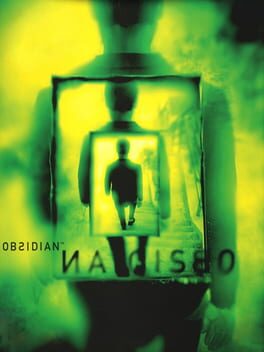
Obsidian is a point‑and‑click adventure that thrusts players into a bizarre, science‑fiction thriller world where every choice matters. Solve intricate puzzles while unraveling a mysterious narrative that challenges your perception of reality. Set in 1997, this single‑player experience blends atmospheric storytelling with clever brain‑teasers, offering a hauntingly immersive journey for fans of classic adventure games.
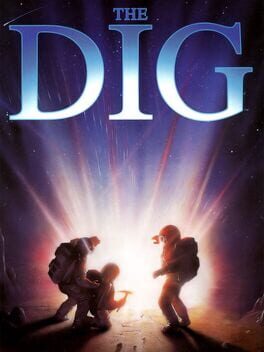
The Dig drops you onto an alien world after a NASA mission goes awry, forcing you to explore mysterious ruins and solve intricate puzzles to uncover the planet’s secrets. With a richly atmospheric story and classic LucasArts humor, the game blends science‑fiction narrative with brain‑teasing challenges. Despite its age, the game remains a compelling single‑player experience for fans of narrative-driven adventure games, offering a nostalgic look at 90s point‑and‑click design while delivering timeless puzzle mechanics.
- Engaging, atmospheric storytelling
- Varied and inventive puzzles
- High replay value due to multiple endings
- Beautiful hand‑drawn art style
- Engaging sci‑fi storyline
- Challenging and varied puzzles
- Atmospheric sound design
- Classic LucasArts humor
- Occasional obscure puzzle solutions
- Limited save slots can force replay of sections
- Some dialogue pacing feels slow
- Outdated graphics by modern standards
- Occasional obscure puzzle solutions
- Limited replayability after completion
More alternatives & similar tools
Alternatives to Obsidian
View all →

A sci‑fi point‑and‑click adventure where every decision can mean life or death
Alternatives to The Dig
View all →
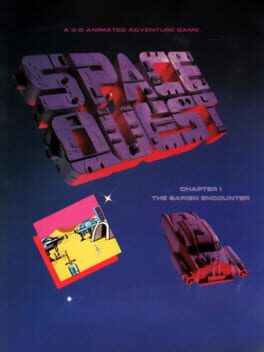
A tongue‑in‑cheek sci‑fi adventure where a hapless janitor saves the galaxy.
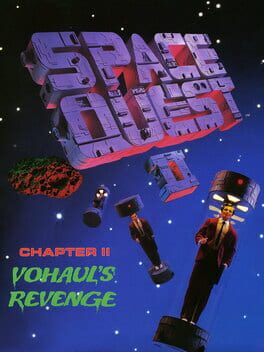
A hilarious sci‑fi adventure where Roger Wilco must outwit the evil Vohaul again
The Verdict
AI-generated from listing dataBoth games cost the same and offer single‑player point‑and‑click sci‑fi puzzles, but The Dig leans on classic LucasArts charm with resource management, while Obsidian provides modern performance, multiple endings, and a hint system.
Key differences
- •Obsidian runs on both PC and Mac with modern hardware support; The Dig’s platform details are not specified.
- •Obsidian includes a scalable hint system; The Dig offers no built‑in hints.
- •Obsidian offers multiple endings and higher replay value; The Dig has limited replayability after completion.
- •The Dig features resource management (oxygen, time) adding tension; Obsidian uses timed dialogue for thriller pacing.
- •Obsidian’s art is described as beautiful and modern; The Dig’s graphics are noted as outdated.
Pricing & value
Both games are priced at $19.99 one‑time purchase.
Gameplay & fun factor
Both are point‑and‑click adventure puzzles; each adds unique tension (resource management vs timed dialogue).
Platform availability
Obsidian supports PC and Mac on modern hardware; The Dig’s platform support is not specified.
Multiplayer / co‑op
Both are single‑player only.
Content & replayability
Obsidian offers multiple endings and high replay value; The Dig has limited replayability after completion.
Difficulty & accessibility
Obsidian includes a built‑in, difficulty‑scaled hint system; The Dig provides no hint assistance.
Graphics & performance
Obsidian features beautiful hand‑drawn art and runs smoothly on modern hardware; The Dig’s graphics are outdated.
Choose Obsidian if…
Players seeking modern performance, multiple endings, hint assistance, and high replayability.
Choose The Dig if…
Fans of classic LucasArts humor who don’t mind older graphics and enjoy resource‑management tension.
Common questions
Do either of the games support Mac?
Obsidian supports both PC and Mac; The Dig’s platform support is not specified.
Is there any help if I get stuck on a puzzle?
Obsidian provides a built‑in hint system that scales with difficulty; The Dig offers no built‑in hints.
Will I get new story outcomes on subsequent playthroughs?
Obsidian has multiple endings and high replay value; The Dig has limited replayability after completion.