



OnlyOffice vs LibreOffice
Side-by-side comparison of features, pricing, ratings, and alternatives.

OnlyOffice provides a full-featured office suite for creating, editing, and collaborating on documents, spreadsheets, and presentations. It offers both cloud‑based and self‑hosted deployments, allowing teams to keep data on‑premise or in the cloud. The platform integrates tightly with popular file storage services and includes real‑time co‑authoring, version control, and granular permission settings, making it suitable for businesses of all sizes that need a secure, standards‑compliant productivity solution.
LibreOffice is a fully-featured office suite that includes a word processor, spreadsheet, presentation, drawing, and database tools. It supports a wide range of file formats, including Microsoft Office formats, making it easy to collaborate across platforms. The suite is community-driven, regularly updated, and available on all major desktop operating systems. Its open-source nature ensures transparency, security, and the ability to customize or extend functionality through extensions.
- High fidelity with Microsoft Office formats
- Both cloud and self‑hosted options
- Robust permission and security controls
- Extensive API for custom integrations
- Completely free with no hidden costs
- Runs on Windows, macOS, and Linux
- High compatibility with Microsoft Office files
- Extensible via a robust extensions ecosystem
- User interface can feel less polished than some commercial rivals
- Advanced features may require paid enterprise license
- Mobile app functionality is limited compared to desktop
- User interface feels dated compared to some commercial suites
- Limited native cloud collaboration features
- Performance can be slower with very large documents
More alternatives & similar tools
Alternatives to OnlyOffice
View all →
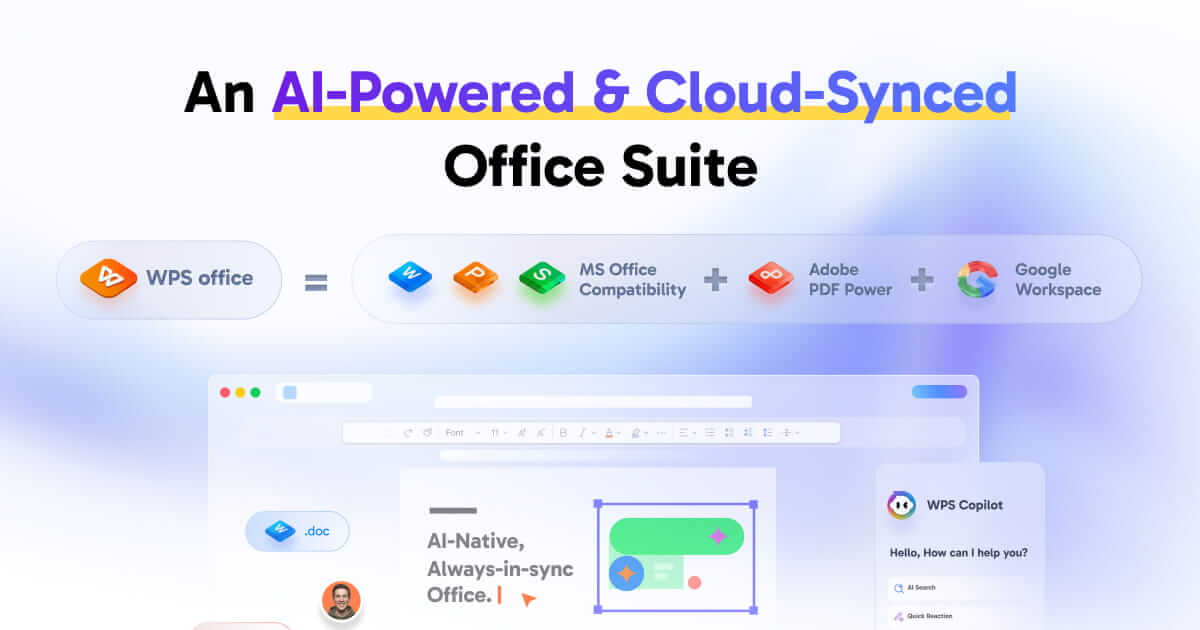
Alternatives to LibreOffice
View all →The Verdict
AI-generated from listing dataOnlyOffice offers enterprise‑grade collaboration, security, and self‑hosting for a freemium price, while LibreOffice provides a completely free desktop suite with limited cloud features.
Key differences
- •OnlyOffice includes real‑time collaborative editing and granular permission controls; LibreOffice is primarily a desktop app with no native collaboration.
- •OnlyOffice can be self‑hosted or run in the cloud; LibreOffice is only a desktop deployment.
- •OnlyOffice integrates directly with services like Nextcloud, SharePoint, and Google Drive; LibreOffice relies on manual file handling.
- •LibreOffice is 100% free with no paid tiers; OnlyOffice’s advanced features may require an enterprise license.
Pricing & value
LibreOffice is completely free; OnlyOffice’s advanced features may need a paid enterprise license.
Ease of use / learning curve
LibreOffice has a traditional desktop UI familiar to many; OnlyOffice’s web UI can feel less polished.
Features & depth
OnlyOffice provides real‑time co‑editing, change tracking, PDF editing, and extensive API; LibreOffice lacks native collaboration.
Integrations & ecosystem
OnlyOffice integrates with Nextcloud, SharePoint, Google Drive, Dropbox, Slack; LibreOffice has extensions but no built‑in cloud connectors.
Collaboration
OnlyOffice supports simultaneous editing with change tracking; LibreOffice offers no native cloud collaboration.
Scalability
OnlyOffice’s self‑hosted or cloud deployment scales for enterprise teams; LibreOffice is limited to individual desktops.
Security & privacy
OnlyOffice provides encryption, role‑based permissions, and self‑hosting for data sovereignty; LibreOffice lacks these controls.
Choose OnlyOffice if…
Enterprises needing secure, real‑time collaboration and self‑hosting.
Choose LibreOffice if…
Individuals or small teams wanting a free, desktop‑only office suite.
Common questions
Is there any cost to use OnlyOffice?
OnlyOffice offers a freemium model; basic features are free, but advanced enterprise capabilities may require a paid license.
Can LibreOffice be used for real‑time collaborative editing?
No, LibreOffice is a desktop application and does not provide native real‑time collaboration.
Which solution allows self‑hosting for data control?
OnlyOffice can be self‑hosted on Linux, Windows, or Docker, giving full data sovereignty; LibreOffice is only a desktop app.