



Resident Evil vs Amnesia: The Dark Descent
Side-by-side comparison of features, pricing, ratings, and alternatives.
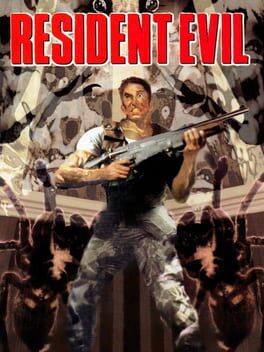
Resident Evil introduced the world to a tense blend of puzzle solving and relentless horror, placing players in a creepy mansion filled with undead threats. Its fixed camera angles and limited resources create a nerve‑wracking experience that defined the survival‑horror genre.
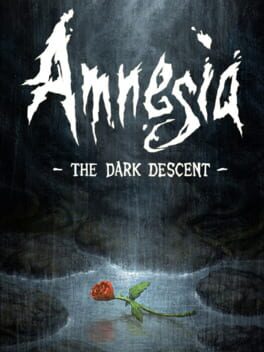
In Amnesia: The Dark Descent, players awaken in a foreboding castle with no memory of how they arrived. The game forces you to explore dark corridors, solve intricate puzzles, and confront nightmarish creatures while managing a sanity meter that reacts to the horrors around you. The experience is built around atmospheric storytelling, immersive sound design, and a relentless sense of dread, delivering a single‑player journey that redefined survival horror when it launched in 2010.
- Atmospheric and tense setting
- Innovative puzzle design
- Iconic horror legacy
- Memorable enemy designs
- Deep atmospheric immersion
- Innovative sanity mechanic
- Engaging environmental puzzles
- Strong narrative without combat
- Clunky controls by modern standards
- Limited save options increase frustration
- Fixed camera angles can obscure threats
- Limited replayability after story completion
- No combat may deter action‑focused players
- Occasional performance issues on older hardware
More alternatives & similar tools
Alternatives to Resident Evil
View all →
Relive the classic horror action in immersive co‑op on PS3
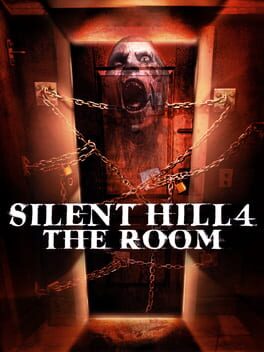
Trapped in a haunted apartment, Henry confronts nightmarish horrors beyond the walls
A terrifying first‑person horror puzzle adventure that haunts your mind.
Alternatives to Amnesia: The Dark Descent
View all →
The Verdict
AI-generated from listing dataBoth are classic single‑player horror experiences at the same price, but Amnesia offers deeper psychological immersion while Resident Evil provides iconic action‑puzzle gameplay.
Key differences
- •Amnesia uses a sanity system and binaural audio for dynamic fear; Resident Evil relies on limited ammo and fixed‑camera combat.
- •Resident Evil features pre‑rendered backgrounds and iconic zombie enemies; Amnesia has fully dynamic lighting and no combat.
- •Save mechanics differ: Amnesia uses automatic checkpoints; Resident Evil uses limited ink‑ribbon saves, increasing tension.
- •Narrative delivery: Amnesia’s journal fragments vs. Resident Evil’s scattered documents.
- •Release era: Amnesia (2010) has more modern performance expectations; Resident Evil (1996) may feel dated.
Gameplay & fun factor
Amnesia’s sanity system and stealth focus create a uniquely tense experience, unlike Resident Evil’s limited combat.
Platform availability
Both are single‑player PC titles; no platform differences specified.
Price & value
Both priced at $19.99 with one‑time purchase.
Multiplayer / co‑op
Both are single‑player only.
Content & replayability
Resident Evil’s iconic status and varied puzzles may encourage replay more than Amnesia’s linear story.
Difficulty & accessibility
Amnesia’s lack of combat and reliance on stealth can be easier for players averse to shooting mechanics.
Graphics & performance
Resident Evil’s pre‑rendered backgrounds run on older hardware; Amnesia may have performance issues on older systems.
Choose Resident Evil if…
Players who want classic action‑puzzle survival horror with iconic enemies.
Choose Amnesia: The Dark Descent if…
Players seeking psychological horror, immersive audio, and no combat.
Common questions
Do either games require a powerful PC?
Amnesia may have occasional performance issues on older hardware; Resident Evil uses pre‑rendered backgrounds and runs on low specs.
Is there any combat in Amnesia?
No, Amnesia relies on stealth and evasion; combat is absent.
Which game has a higher critic rating?
Amnesia: The Dark Descent has a critic score of 89/100, higher than Resident Evil’s 79/100.