



Secrets of the Ark: A Broken Sword Game vs Broken Sword: The Smoking Mirror
Side-by-side comparison of features, pricing, ratings, and alternatives.
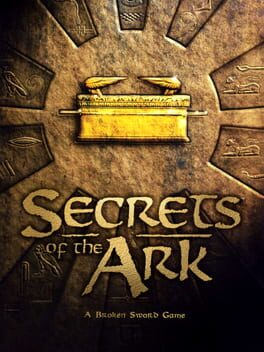
Dive into a richly detailed 1930s world where humor meets intrigue. As a daring archaeologist, you solve clever puzzles while unraveling a secret that could change history. The game blends thriller tension with comedic dialogue, offering a single‑player experience that rewards curiosity and logical thinking.
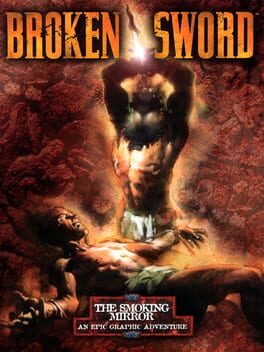
George Stobbart and Nicole Collard return for a thrilling adventure that takes them from the streets of Spain to the jungles of Central America. Unravel a conspiracy tied to the Mayan god Tezcatlipoca while solving intricate puzzles and uncovering hidden secrets.
- Engaging historical storyline with witty writing.
- Varied puzzle design keeps gameplay fresh.
- Beautiful hand‑drawn visuals and atmospheric music.
- Single‑player focus allows uninterrupted immersion.
- Stunning hand‑drawn visuals
- Engaging and witty dialogue
- Complex, rewarding puzzles
- Rich historical and mythological storyline
- Some puzzles can feel obscure without hints.
- Voice acting is uneven in a few scenes.
- Limited replay value after story completion.
- Outdated interface compared to modern games
- Occasional slow pacing in dialogue sections
- Limited save system flexibility
More alternatives & similar tools
Alternatives to Secrets of the Ark: A Broken Sword Game
View all →A globe‑trotting mystery where ancient myths collide with modern intrigue
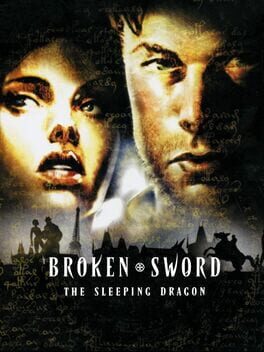
A globe‑trotting mystery adventure that blends history, intrigue, and puzzles.
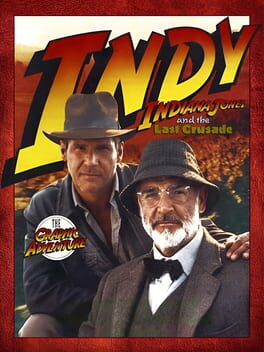
Solve ancient puzzles with Indy in a classic point‑and‑click adventure.
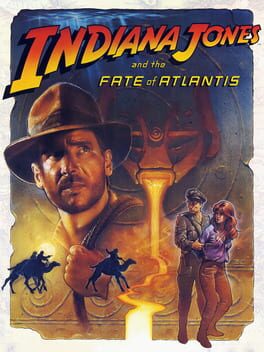
Embark on a thrilling puzzle adventure with Indy to uncover Atlantis' secrets
Alternatives to Broken Sword: The Smoking Mirror
View all →
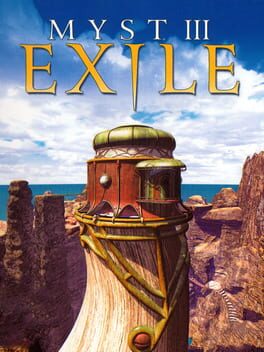
Uncover a historic conspiracy in a witty point‑and‑click adventure.
A globe‑trotting mystery adventure that blends history, intrigue, and puzzles.
The Verdict
AI-generated from listing dataProduct B is the safer default choice, offering a critically acclaimed globe-trotting mystery for $10 less, while Product A trades higher pricing and a lower critic score for 1930s historical puzzles.
Key differences
- •Price: Product A costs $29.99, whereas Product B is priced at $19.99.
- •Critic Score: Product B holds a significantly higher critic score of 85/100 compared to Product A's 60/100.
- •Release Date: Product A launched in September 2006, while Product B released earlier in October 1997.
- •Theme/Setting: Product A focuses on meticulous 1930s locations and artifacts, whereas Product B blends real-world history with Mayan mythology and modern conspiracy.
Gameplay & fun factor
Product B features complex, rewarding puzzles and engaging, witty dialogue, outscoring Product A's 60/100 with an 85/100 critic score.
Platform availability
Not specified in the provided data.
Price & value
Product B is more affordable at an MSRP of $19.99, compared to Product A's MSRP of $29.99.
Multiplayer / co-op
Both are strictly single-player games with no multiplayer components.
Content & replayability
Product A includes over 50 logic-based puzzles and collectible hidden artifacts that unlock optional back-story entries and concept art.
Difficulty & accessibility
Product A features dialogue choices that affect minor story beats and over 50 logic-based puzzles, though some can feel obscure without hints.
Graphics & performance
Product B utilizes hand-drawn 2D artwork and animated cutscenes, though it has an outdated interface compared to modern games.
Choose Secrets of the Ark: A Broken Sword Game if…
Choose Product A if you want a 1930s historical puzzle adventure with over 50 logic challenges.
Choose Broken Sword: The Smoking Mirror if…
Choose Product B if you prefer a critically acclaimed Mayan mythology mystery with rewarding puzzles.
Common questions
How much do these games cost?
Product A has an MSRP of $29.99, while Product B has an MSRP of $19.99.
Can I play either game with friends in multiplayer?
No, both games are strictly single player with no multiplayer components.
Which game received better reviews from critics?
Product B received a critic score of 85/100, whereas Product A received a critic score of 60/100.