



Silent Hunter II vs 688(I) Hunter/Killer
Side-by-side comparison of features, pricing, ratings, and alternatives.
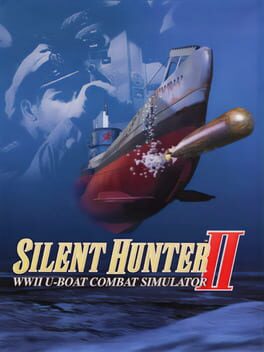
Silent Hunter II immerses players in the perilous world of World War II submarine warfare, offering detailed control over German U-boats as they hunt Allied convoys across the Atlantic. The game combines authentic ship models, realistic physics, and strategic mission planning for both solo and multiplayer experiences. Featuring a dynamic campaign, realistic damage modeling, and a robust multiplayer mode, Silent Hunter II delivers a deep simulation that challenges both veteran naval enthusiasts and newcomers seeking a historically grounded combat experience.
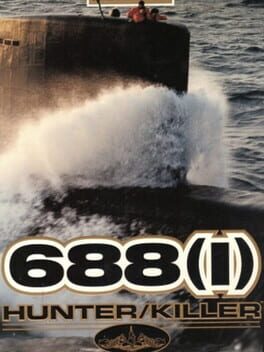
Take the helm of a US Navy Los Angeles‑class attack submarine and engage in tactical underwater warfare. The game blends detailed sonar simulation with strategic mission planning for both solo and multiplayer battles.
- Highly detailed submarine controls
- Authentic WWII naval atmosphere
- Robust multiplayer support
- Extensive mission editor
- Deep and authentic submarine simulation
- Robust mission editor for custom content
- Multiplayer support adds replayability
- High historical accuracy
- Steep learning curve for newcomers
- Outdated graphics by modern standards
- Limited AI sophistication in early missions
- Outdated graphics by modern standards
- Steep learning curve for newcomers
- Limited documentation and tutorials
More alternatives & similar tools
Alternatives to Silent Hunter II
View all →
Command a WWII U‑boat in the most authentic Atlantic naval simulation ever made
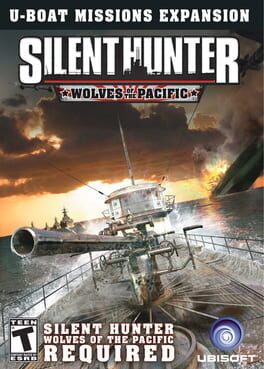
Command a WWII U‑boat in a realistic Pacific theater experience.
Alternatives to 688(I) Hunter/Killer
View all →
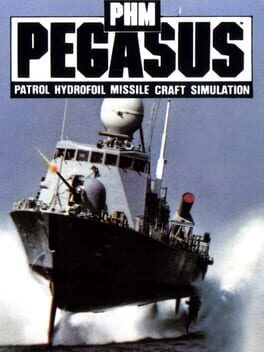
Command a WWII U‑boat in a realistic Pacific theater experience.
Command a WWII U‑boat in the most authentic Atlantic naval simulation ever made
The Verdict
AI-generated from listing dataBoth titles offer deep submarine simulation with steep learning curves and dated graphics; choose Silent Hunter II for WWII naval immersion, or 688(I) Hunter/Killer for Cold‑War realism.
Key differences
- •Historical setting: WWII German U‑boats vs. Cold‑War US nuclear subs.
- •Campaign dynamics: Silent Hunter II features mission‑outcome‑driven campaign; 688(I) lacks described campaign persistence.
- •AI sophistication: 688(I) claims dynamic AI adaptation; Silent Hunter II notes limited early‑mission AI.
- •Multiplayer scale: Silent Hunter II supports up to 16 players; 688(I) offers head‑to‑head or cooperative patrols without a player count limit.
- •Developer pedigree: Silent Hunter II by Ultimation/Aeon (Ubisoft); 688(I) by Sonalysts (EA).
Pricing & value
Both cost $49.99 and are paid one‑time/subscription; price identical.
Gameplay & fun factor
Silent Hunter II adds dynamic campaign impact and crew management, offering broader tactical depth.
Multiplayer / co‑op
Supports up to 16 players, enabling larger fleet tactics versus unspecified player limits in 688(I).
Content & replayability
Both include robust mission editors and historical scenarios; neither has extra DLC listed.
Difficulty & accessibility
688(I) notes limited documentation, making it harder for newcomers; Silent Hunter II also steep but offers more tutorials via community.
Graphics & performance
Both described as having outdated graphics by modern standards.
Platform availability
Both listed for PC only; no other platforms mentioned.
Choose Silent Hunter II if…
WWII enthusiasts who want a campaign‑driven, crew‑management experience with larger multiplayer battles.
Choose 688(I) Hunter/Killer if…
Cold‑War fans seeking authentic nuclear sub tactics and dynamic AI despite limited tutorials.
Common questions
Do either of these games require a subscription?
Silent Hunter II is listed as Paid (Subscription); 688(I) is Paid (One‑time).
Which game supports more players in multiplayer?
Silent Hunter II supports up to 16 players; 688(I) supports multiplayer but no player count is specified.
Is there a campaign that changes based on my actions?
Silent Hunter II features a dynamic campaign where mission outcomes affect future operations; 688(I) does not mention such a system.