



Simon the Sorcerer 3D vs Simon the Sorcerer
Side-by-side comparison of features, pricing, ratings, and alternatives.
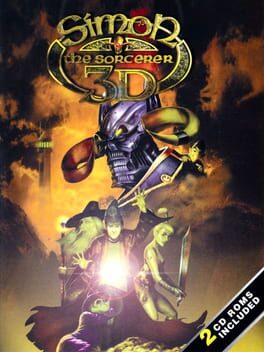
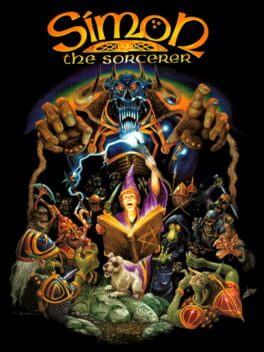
Step into the shoes of Simon, the sarcastic teen wizard, as he navigates a colorful 3D world filled with puzzles, quirky characters, and magical mishaps. The game blends classic point‑and‑click mechanics with a fully realized 3D environment, delivering a nostalgic yet fresh adventure experience.\n\nDeveloped by Headfirst Productions and published by Adventure Soft, Simon the Sorcerer 3D offers a single‑player story that balances humor and challenge, perfect for fans of fantasy adventure games looking for a light‑hearted quest.
Simon the Sorcerer is a classic point‑and‑click adventure where the teenage hero Simon is thrust into a magical realm after a botched spell. Players solve puzzles, collect items, and engage in humorous dialogue to rescue the kingdom from the evil sorcerer Sordid. The game blends fantasy tropes with parody, offering a nostalgic 90s pixel‑art style and a memorable soundtrack. Available on Android, PC, iOS, and Mac, it remains a single‑player experience suitable for all ages.
- Charming humor and witty writing
- Fully 3D environments add depth to classic gameplay
- Varied puzzles keep gameplay fresh
- Voice acting enhances character personality
- Charming humor and witty dialogue
- Classic point‑and‑click puzzles
- Cross‑platform availability
- Rich, hand‑drawn art style
- Graphics are dated by modern standards
- Some puzzles can be obscure without hints
- Limited replay value after story completion
- Outdated interface for modern players
- Limited save slots on some platforms
- Some puzzles can be obscure
More alternatives & similar tools
Alternatives to Simon the Sorcerer 3D
View all →
A witty point‑and‑click adventure through a magical wardrobe.
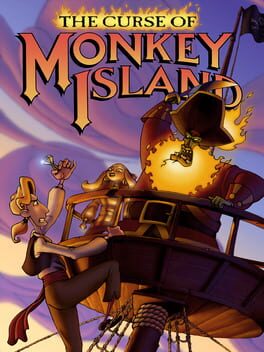
A witty pirate adventure that blends humor with classic point-and-click puzzles.
Alternatives to Simon the Sorcerer
View all →A witty point‑and‑click adventure through a magical wardrobe.
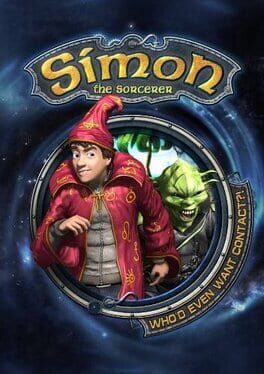
A hilarious sci‑fi fantasy adventure where Simon finally meets his alien destiny
The Verdict
AI-generated from listing dataSimon the Sorcerer offers classic 2D point‑and‑click charm with broader platform support, while Simon the Sorcerer 3D adds camera rotation and a hint system but runs only on older 3D hardware.
Key differences
- •Platform reach: A runs on four platforms (including mobile) vs B limited to PC era hardware.
- •Visual style: A uses hand‑drawn 2D art; B uses dated 3D graphics.
- •Assist features: B includes an optional hint system and multiple difficulty levels; A has none.
- •Save system: A offers auto‑save anytime; B uses fixed save points.
- •Age rating: A is USK 0 (all ages); B is USK 6, indicating slightly older content.
Gameplay & fun factor
A’s witty dialogue and 50+ inventory puzzles deliver classic adventure fun; B’s puzzles are similar but less praised.
Platform availability
A is available on four platforms, including mobile; B is limited to legacy PC/console hardware.
Price & value
Both are one‑time paid titles; no price data given beyond A’s $29.99 MSRP, B’s price not specified.
Multiplayer / co‑op
Both are single‑player only.
Content & replayability
A includes hidden artifacts and alternate story paths; B offers limited replay after story completion.
Difficulty & accessibility
B provides a hint system and multiple difficulty settings; A lacks these aids.
Graphics & performance
A’s hand‑drawn art remains visually appealing; B’s 3D graphics are dated by modern standards.
Choose Simon the Sorcerer 3D if…
Players who prefer 3D camera control, optional hints, and adjustable difficulty.
Choose Simon the Sorcerer if…
Players who want broad device support, classic 2D charm, and more replay paths.
Common questions
Which game is cheaper?
A’s MSRP is $29.99; B’s price is not specified, so cost cannot be compared.
Can I play on a modern smartphone?
Yes, A supports mobile devices with auto‑save; B does not list mobile compatibility.
Is there help if I get stuck on a puzzle?
B includes an optional hint system and multiple difficulty levels; A offers no built‑in hints.