



Super Mario Bros. 3 vs Super Mario 64
Side-by-side comparison of features, pricing, ratings, and alternatives.
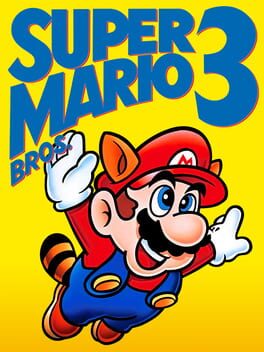
Super Mario Bros. 3 takes players on a vibrant journey across eight distinct worlds, each packed with hidden secrets, power‑ups, and challenging enemies. With its innovative map system and diverse level design, the game offers endless replayability for both newcomers and seasoned gamers. Originally released in 1988, this timeless classic continues to captivate audiences with its tight controls, memorable music, and imaginative level themes, solidifying its place as a cornerstone of the platform genre.
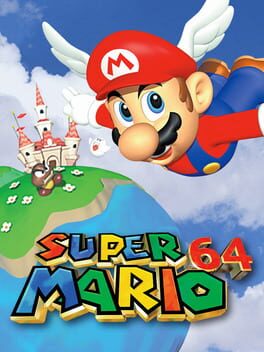
Super Mario 64 redefined 3D gaming when it launched in 1996, inviting players to guide Mario through Princess Peach’s castle and its many magical worlds. With its revolutionary analog controls and open‑world design, the game set a new standard for platformers and adventure titles. Even decades later, the game’s charming level design, memorable music, and timeless challenge continue to captivate both new players and nostalgic fans, cementing its place as a cornerstone of video game history.
- Timeless level design
- Rich variety of power‑ups
- High replay value
- Great for co‑op play
- Groundbreaking 3D movement and camera control
- Rich variety of worlds and challenges
- High replay value with hidden collectibles
- Timeless charm and iconic music
- Limited modern accessibility options
- No online multiplayer
- Graphics are dated by today’s standards
- Graphics are dated by modern standards
- Controls can feel stiff on some modern controllers
- Limited multiplayer options, single‑player only
More alternatives & similar tools
Alternatives to Super Mario Bros. 3
View all →
Dive into the first 3‑D Mario adventure and explore a kingdom of endless platforms and secrets.
Alternatives to Super Mario 64
View all →
The Verdict
AI-generated from listing dataSuper Mario 64 offers groundbreaking 3D exploration for solo play, while Super Mario Bros. 3 provides classic 2D platforming with two‑player co‑op; the main trade‑off is 3D depth versus multiplayer capability.
Key differences
- •3D free‑movement and analog camera in Mario 64 vs. 2D side‑scroll in Mario 3
- •Mario 64 is single‑player only; Mario 3 includes alternating two‑player mode
- •Mario 64 features 15 distinct 3D worlds; Mario 3 has a map of 8 worlds with warp zones
- •Power‑up variety: Mario 64 adds caps and physics‑based abilities; Mario 3 introduces the Super Leaf and other classic items
- •Release era and graphics: 1996 3D graphics (dated) vs. 1988 2D retro graphics (dated)
Gameplay & fun factor
Mario 64’s free 3‑D movement and boss variety create a deeper gameplay experience than 2D side‑scrolling.
Platform availability
Not specified in the provided facts for either title.
Price & value
Mario 3 costs $49.99 versus $59.99 for Mario 64, offering lower upfront cost.
Multiplayer / co‑op
Mario 3 includes a two‑player alternating mode; Mario 64 is single‑player only.
Content & replayability
Mario 64 has 15 worlds, hidden collectibles, and multiple power‑ups, giving higher replay value.
Difficulty & accessibility
Both have dated graphics and limited modern accessibility options; no clear advantage.
Graphics & performance
Both are described as dated by modern standards; no factual distinction.
Choose Super Mario Bros. 3 if…
Players who want classic 2‑D Mario with co‑op mode and lower price.
Choose Super Mario 64 if…
Solo players seeking immersive 3‑D platforming and high replay value.
Common questions
Which game is cheaper?
Super Mario Bros. 3 is $49.99; Super Mario 64 is $59.99.
Can I play with a friend?
Only Super Mario Bros. 3 offers a two‑player alternating mode; Super Mario 64 is single‑player only.
Which offers more content to explore?
Super Mario 64 features 15 distinct 3‑D worlds and many hidden collectibles, providing more content than Mario 3’s 8 worlds.