



The Elder Scrolls II: Daggerfall vs The Elder Scrolls: Arena
Side-by-side comparison of features, pricing, ratings, and alternatives.
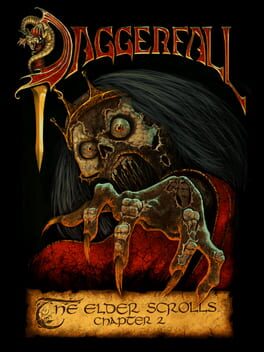
The Elder Scrolls II: Daggerfall is an open-world, action role-playing game developed and published by Bethesda Softworks. Released in 1996, the game is set in the fantasy world of Tamriel, where players can explore the city of Daggerfall and its surrounding areas, completing quests and interacting with non-playable characters.
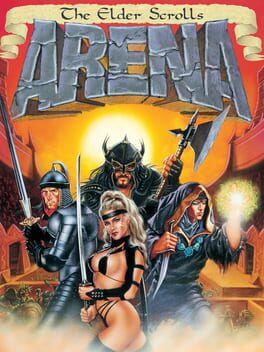
The Elder Scrolls: Arena, released in 1994, introduced players to a massive, procedurally generated world where they could travel between provinces, complete quests, and battle a variety of foes. As the inaugural title in Bethesda’s legendary series, it set the foundation for the deep lore and freedom that define later entries. Its top‑down perspective and real‑time combat blend classic RPG mechanics with a sandbox feel, offering countless hours of exploration. Despite its age, Arena remains a milestone in open‑world design, celebrated for its ambition and lasting influence on the genre.
- Engaging storyline
- Large open world to explore
- Complex character creation system
- High replayability
- Vast open world for its time
- Deep skill progression system
- Rich lore foundation for the series
- High replayability due to procedural elements
- Outdated graphics
- Steep learning curve
- Some quests can be frustratingly difficult
- Clunky controls by modern standards
- Outdated graphics and UI
- Steep learning curve for new players
More alternatives & similar tools
Alternatives to The Elder Scrolls II: Daggerfall
View all →
Explore the alien island of Vvardenfell in a groundbreaking open‑world RPG
A moddable open-world fantasy RPG where you can go anywhere and be anyone.
Alternatives to The Elder Scrolls: Arena
View all →
Explore the alien island of Vvardenfell in a groundbreaking open‑world RPG
The Verdict
AI-generated from listing dataBoth titles offer classic open‑world RPGs with steep learning curves, but Daggerfall (A) gives a richer storyline and deeper character customization, while Arena (B) provides a larger seamless map and procedural dungeons.
Key differences
- •Daggerfall has a more complex character creation and skill system, plus multiple factions and a branching storyline.
- •Arena lets you travel across all nine provinces without loading screens and features procedurally generated dungeons.
- •Daggerfall’s critic score is 89/100 versus Arena’s 88/100, a marginal edge in reception.
- •Arena’s day‑night cycle influences NPC behavior similarly, but Daggerfall adds weather effects that affect quest difficulty.
Gameplay & fun factor
Daggerfall’s deep character creation, magic variety, and faction choices create more varied playstyles.
Platform availability
Both are single‑player PC titles from the same era; no platform differences specified.
Price & value
Arena lists an MSRP of $49.99; Daggerfall’s price not specified, so Arena is clearer value.
Multiplayer / co‑op
Both are single‑player only.
Content & replayability
Arena’s procedural dungeons and seamless nine‑province map boost replay value.
Difficulty & accessibility
Daggerfall’s steep learning curve is noted, but its dynamic weather adds strategic depth; Arena also steep but less nuanced.
Graphics & performance
Both suffer from outdated graphics; no distinction provided.
Choose The Elder Scrolls II: Daggerfall if…
Players who prioritize deep story, character customization, and faction choices over map size.
Choose The Elder Scrolls: Arena if…
Players who want the biggest seamless world and procedural dungeons for varied replay.
Common questions
Which game has a higher critic rating?
Daggerfall scores 89/100, while Arena scores 88/100.
Do either of the games support multiplayer?
No; both are single‑player only.
Is there a price difference?
Arena lists an MSRP of $49.99; Daggerfall’s price is not specified in the facts.