



Gone Home vs Amnesia: A Machine for Pigs
Side-by-side comparison of features, pricing, ratings, and alternatives.
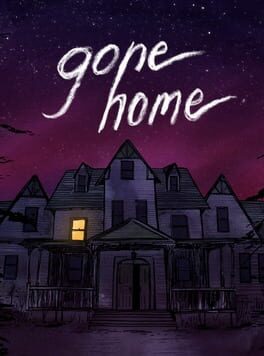
Gone Home is a first-person interactive exploration simulator developed by The Fullbright Company. Players step into the shoes of Katie, a university student returning from abroad to her family's newly inherited Oregon house in June 1995, only to find it completely deserted. As you navigate the richly detailed environment, you examine everyday objects, unlocked doors, notes, and cassette tapes to piece together the emotional story of your family's lives and discover what happened to your younger sister, Sam.
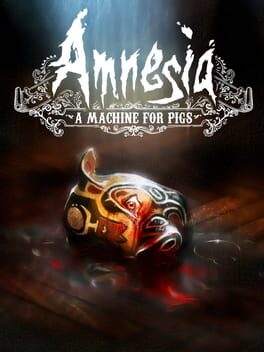
From the creators of Amnesia: The Dark Descent and Dear Esther comes a chilling first-person horror game that plunges players into the depths of industrial nightmares. In the year 1899, wealthy industrialist Oswald Mandus awakens in his bed, wracked with fever and haunted by a dark, infernal machine rumbling beneath his home. Tormented by memories of a disastrous Mexican expedition and consumed by guilt, Mandus discovers that his children are in grave peril. As he navigates the silent, shaking halls of his estate, he must confront twisted creations and uncover the dark truth of a failing industrial utopia to save his family.
- Deeply immersive and authentic 1995 atmosphere
- Compelling environmental storytelling that rewards curiosity
- Emotional and memorable narrative payoff
- Intuitive and naturalistic object interaction mechanics
- Compelling and dark narrative
- Incredible atmospheric sound design
- Engaging environmental puzzles
- Available across multiple modern platforms
- Short runtime relative to standard AAA games
- Very limited replay value once the mystery is solved
- Minimal traditional puzzle gameplay or challenge
- Less inventory management than the original game
- Linear gameplay with limited replayability
- Focuses more on story than pure survival mechanics
More alternatives & similar tools
Alternatives to Gone Home
View all →A horrifying first-person journey into greed, power, and madness in 1899.
Alternatives to Amnesia: A Machine for Pigs
View all →
The Verdict
AI-generated from listing dataBoth are narrative‑driven single‑player experiences, but Amnesia offers horror tension and puzzles, while Gone Home delivers a calmer, pure exploration story.
Key differences
- •Genre & tone: horror with monsters (Amnesia) vs. quiet mystery (Gone Home).
- •Gameplay focus: environmental puzzles & stealth survival (Amnesia) vs. pure exploration with minimal puzzles (Gone Home).
- •Replayability: linear, limited replay (both) but Amnesia’s puzzles give slightly more repeat value.
- •Atmosphere: oppressive sound design and Victorian industrial setting (Amnesia) vs. detailed 1995 suburban home with licensed music (Gone Home).
- •Price: $19.99 (Amnesia) vs. $14.99 (Gone Home).
Gameplay & fun factor
Amnesia adds stealth, monster encounters, and puzzles, providing more active gameplay than Gone Home's passive exploration.
Platform availability
Both are listed as available across multiple modern platforms.
Price & value
Gone Home costs $14.99 versus Amnesia's $19.99, offering lower upfront cost.
Multiplayer / co‑op
Both are single‑player only.
Content & replayability
Amnesia's puzzles and stealth sections give slightly more incentive to replay than Gone Home's single‑run story.
Difficulty & accessibility
Gone Home has no combat or failure states, making it more accessible than Amnesia's horror and stealth challenges.
Graphics & performance
No specific graphics data provided; both are modern releases with comparable visual fidelity.
Choose Gone Home if…
Players who prefer calm exploration, emotional storytelling, and a lower price.
Choose Amnesia: A Machine for Pigs if…
Players who crave horror, puzzles, and a tense, story‑driven experience.
Common questions
Which game is cheaper?
Gone Home costs $14.99, while Amnesia costs $19.99.
Do either of these have multiplayer?
Both are single‑player only.
Is there combat or failure states?
Amnesia includes monster encounters and stealth survival; Gone Home has no combat or failure states.