



Intel Core i9 processor 14900K vs Intel Core Ultra 9 285H
Side-by-side comparison of features, pricing, ratings, and alternatives.

The Intel Core i9 processor 14900K is a high-performance CPU designed for enthusiasts and content creators. With its 24 cores and 32 threads, it delivers exceptional processing power and efficiency.
The Intel Core Ultra 9 285H is a revolutionary CPU built on the advanced TSMC N3B process node, combining 16 cores and 16 threads with a 5.4 GHz boost clock. Engineered for elite mobile systems, it delivers exceptional efficiency and computing power for intensive workloads. Equipped with powerful Intel Arc 140T integrated graphics and advanced architecture, this processor excels at high-end gaming, complex content creation, and professional productivity applications without requiring a discrete GPU for basic visual tasks.
[]
- Exceptional processing power and efficiency
- High-performance gaming and content creation capabilities
- AI-optimized architecture for enhanced AI workloads
- Extreme overclocking capabilities for enthusiasts.
- Exceptional multi-core and single-core performance for mobile devices
- Powerful integrated Intel Arc graphics capability
- Advanced 3nm TSMC N3B process node for improved efficiency
- Dedicated NPU support for modern AI tasks
- High power consumption and heat generation
- Expensive compared to other CPU options
- Requires a high-end motherboard and cooling system.
- High maximum turbo power draw of 115W requires robust cooling
- Limited to laptop and mobile form factors via FCBGA2049 socket
- Premium pricing tier positioning for high-end systems
More alternatives & similar tools
Alternatives to Intel Core i9 processor 14900K
View all →
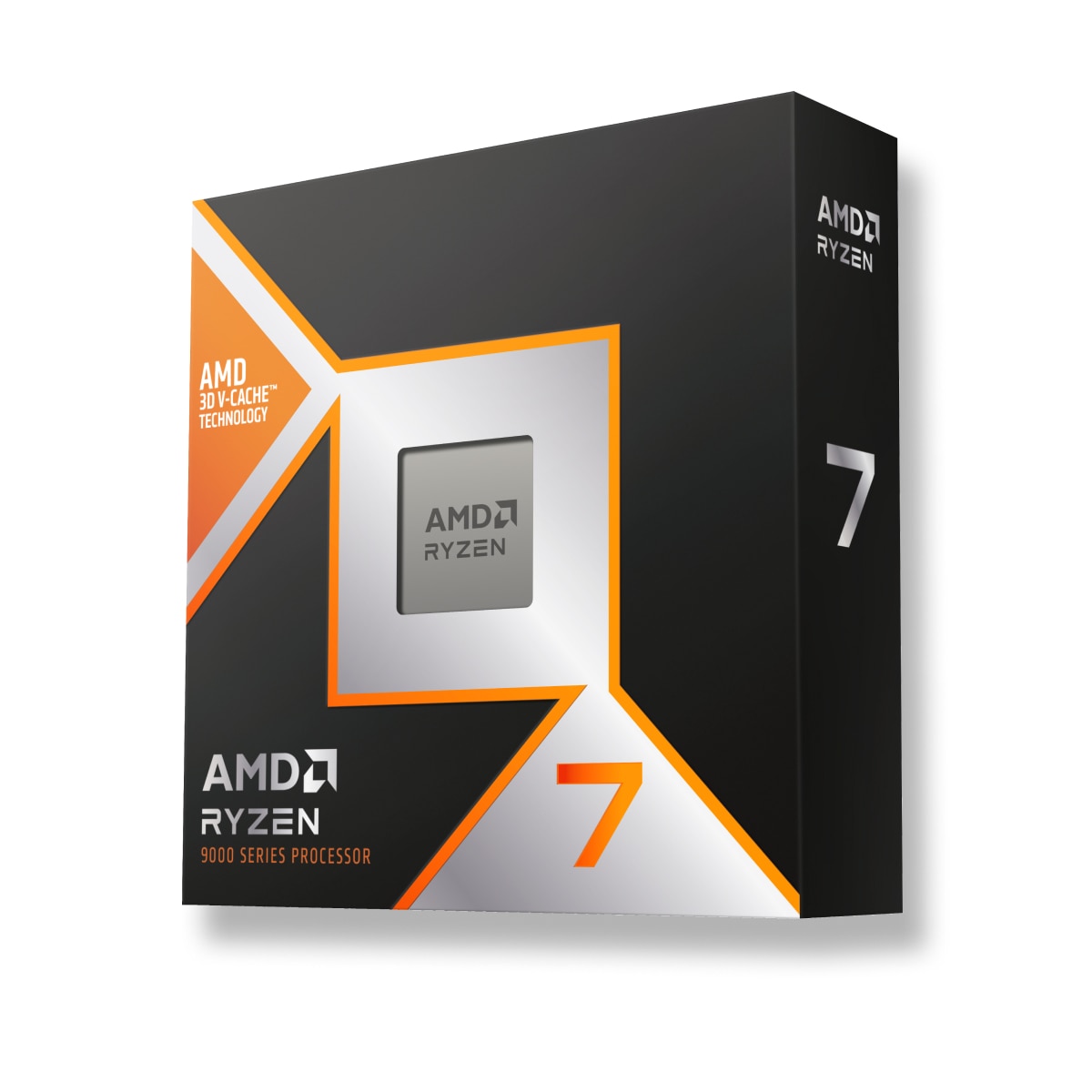
A high-performance mobile processor designed for gamers and demanding creators.
Alternatives to Intel Core Ultra 9 285H
View all →A powerful processor combining Zen 5 and Zen 5c architectures for next-gen computing.

The Verdict
AI-generated from listing dataThe i9‑14900K offers raw desktop performance and higher core count for demanding workloads, while the Ultra 9 285H delivers strong mobile performance with lower power draw and integrated Arc graphics.
Key differences
- •Core count & threads: 24 cores/32 threads (A) vs 16 cores/16 threads (B).
- •Power envelope: 125 W base / 253 W turbo (A) vs 45 W base / 115 W turbo (B).
- •Integrated graphics: UHD 770 (A, modest) vs Arc 140T with 8 Xe‑cores (B).
- •Process technology: Intel 7 (A) vs TSMC 3 nm N3B (B).
- •Target platform: desktop socket FCLGA1700 (A) vs laptop BGA2049 (B).
Performance
A scores 35,917 in Cinebench R23 Multi with 24 cores, far exceeding B's 16‑core mobile design.
Power & efficiency
B operates at 45 W base and 115 W max, much lower than A's 125 W base and 253 W turbo.
Integrated graphics
B's Intel Arc 140T (8 Xe‑cores, up to 2.35 GHz) outperforms A's UHD 770 for gaming and media tasks.
Compatibility
A uses the widely supported FCLGA1700 desktop socket; B is limited to laptop BGA2049 platforms.
Pricing & value
A costs $699 MSRP; B’s price is unspecified but positioned as premium mobile, generally lower total system cost.
Build quality
Both rely on high‑end silicon; no specific build‑quality data provided to differentiate.
Warranty & support
No warranty or support details are specified for either product.
Choose Intel Core i9 processor 14900K if…
Desktop power users needing maximum multi‑core performance for gaming, content creation, or AI workloads.
Choose Intel Core Ultra 9 285H if…
Mobile creators or gamers who need strong performance in a laptop with lower power and integrated graphics.
Common questions
Which CPU offers better multi‑core performance?
The i9‑14900K (A) with 24 cores/32 threads and a Cinebench R23 Multi score of 35,917.
Can I rely on the integrated graphics for gaming?
B’s Intel Arc 140T provides far stronger gaming graphics than A’s UHD 770.
Is the power consumption of the i9‑14900K a concern?
Yes; it has a 125 W base TDP and can draw up to 253 W under turbo, requiring robust cooling.