



Syndicate Wars vs Emperor: Battle for Dune
Side-by-side comparison of features, pricing, ratings, and alternatives.
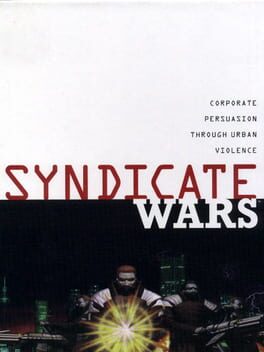
Set in a dystopian 2096, Syndicate Wars puts you in command of a cyber‑enhanced squad battling rival corporations for global dominance. The game blends fast‑paced action with deep strategic planning, offering both a compelling single‑player campaign and robust multiplayer skirmishes.
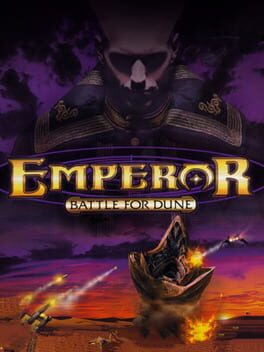
Emperor: Battle for Dune drops players into the iconic Dune universe, letting them lead one of three noble houses in a real‑time strategy battle for control of Arrakis. With a blend of base building, resource management, and tactical combat, the game captures the political intrigue and massive warfare of Frank Herbert’s world. The title offers both a robust single‑player campaign and competitive multiplayer modes, featuring diverse unit types, desert terrain challenges, and the iconic sandworms that can turn the tide of battle. Its sci‑fi setting and strategic depth make it a memorable entry in early‑2000s RTS gaming.
- Deep tactical gameplay
- Atmospheric cyber‑punk setting
- Robust multiplayer options
- Varied squad customization
- Deep house-specific strategies
- Engaging Dune atmosphere
- Robust multiplayer options
- Varied unit roster
- Steep learning curve for newcomers
- Outdated graphics by modern standards
- Limited save system
- Outdated graphics by modern standards
- Steep learning curve for newcomers
- Limited AI difficulty scaling
More alternatives & similar tools
Alternatives to Syndicate Wars
View all →

Alternatives to Emperor: Battle for Dune
View all →

The Verdict
AI-generated from listing dataBoth are classic 1990s‑2000s strategy titles with steep learning curves and dated graphics, but Syndicate Wars offers squad‑based cyber‑punk tactics, while Emperor: Battle for Dune delivers faction‑focused Dune RTS depth.
Key differences
- •Setting: cyber‑punk corporate warfare (Syndicate Wars) vs Dune desert planetary conflict (Emperor).
- •Unit focus: up to eight customizable agents vs three distinct houses with unique unit rosters.
- •Gameplay core: real‑time tactical squad combat vs traditional base‑building RTS with tech tree.
- •Multiplayer scale: unspecified squad size vs up to eight players in Emperor.
- •Release era: 1996 vs 2001, affecting graphics and engine maturity.
Gameplay & fun factor
Syndicate Wars emphasizes real‑time tactical squad control and cybernetic upgrades, offering deeper micro‑management than Emperor's base‑building focus.
Platform availability
Both are PC titles released for the same platform; no other platforms listed.
Price & value
Both priced identically at $49.99 (one‑time).
Multiplayer / co‑op
Emperor supports up to eight players in competitive skirmishes, whereas Syndicate Wars multiplayer details are unspecified.
Content & replayability
Emperor includes a full campaign, multiple houses, tech tree, and AI opponents; Syndicate Wars offers a story campaign but limited AI scaling.
Difficulty & accessibility
Both noted as having steep learning curves for newcomers.
Graphics & performance
Both described as having outdated graphics by modern standards.
Choose Syndicate Wars if…
Fans of cyber‑punk aesthetics who prefer tactical squad combat over base building.
Choose Emperor: Battle for Dune if…
Players who want Dune lore, faction variety, and larger multiplayer battles.
Common questions
Do both games support multiplayer?
Yes, both list multiplayer; Emperor explicitly supports up to eight players, Syndicate Wars multiplayer is mentioned but size not specified.
Which game has a stronger single‑player campaign?
Emperor: Battle for Dune offers a full campaign tied to Dune lore; Syndicate Wars also has a story‑driven campaign but fewer details.
Are the graphics comparable to modern games?
Both are described as having outdated graphics by modern standards.